
Friday, May 6, 2022


Steelcase to Buy Office Furniture Maker Halcon for About $128 Million

Material Bank raises $175 million

U.S. Jobs Report for April Shows More Strong Gains

News

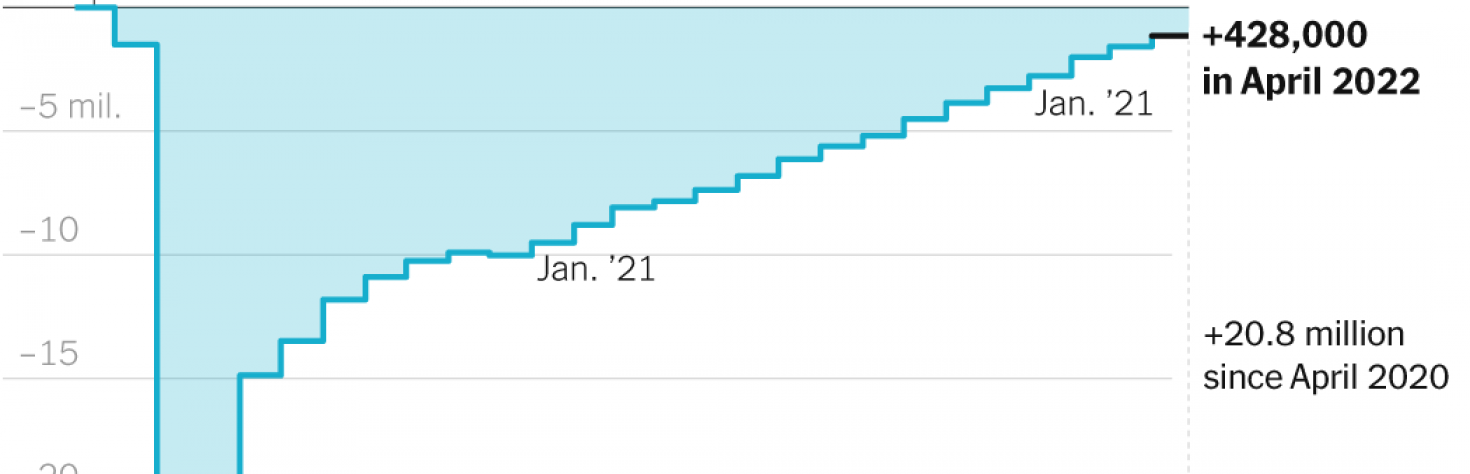
April produced another solid month of job growth, the Labor Department reported Friday, reflecting the economy’s resilient rebound from the pandemic’s devastation.

U.S. employers added 428,000 jobs, the department said, the same as the revised figure for March. The unemployment rate in April remained 3.6 percent.

“The job market is proving to be a key source of resilience for the economy. Job creation will eventually settle into a slower pace as businesses feel the pinch of soaring inflation and tighter financial conditions, but gains will stay healthy,” said Oren Klachkin, a lead U.S. economist at Oxford Economics. “We think the economy has enough strength to create over 4 million jobs this year.”
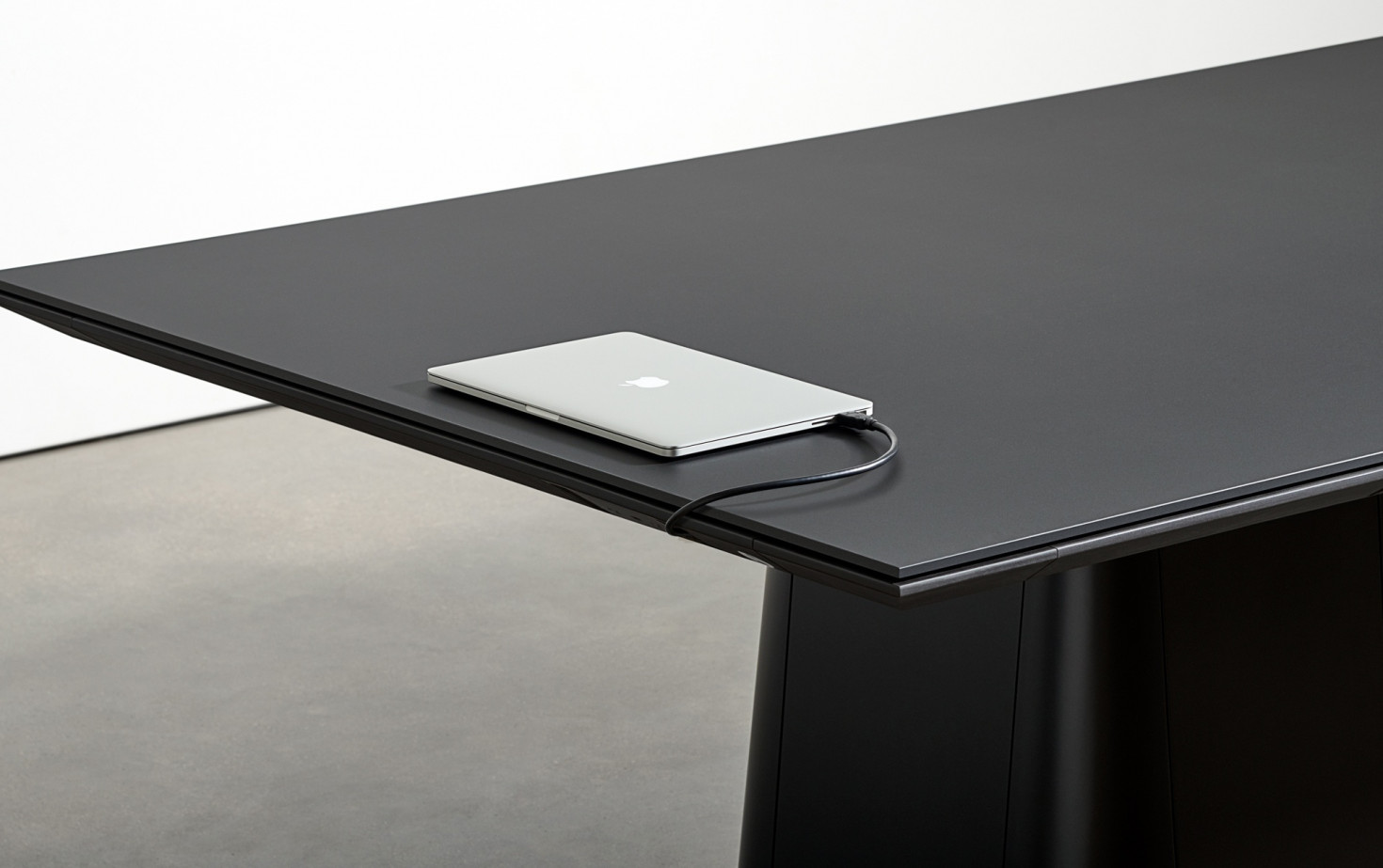
Steelcase Inc. said it has reached a deal to buy Minnesota-based wood-furniture maker Halcon for about $127.5 million.

The companies said Steelcase will buy all outstanding equity interests in Halcon for $127.5 million and the deal includes an adjustment for working capital and potential additional consideration of up to $9.5 million payable to the seller over three years based on performance targets and whether Halcon President Ben Conway stays with the company.

Steelcase said it plans to fund the deal with cash and availability under its credit facility, as needed.

Halcon makes custom wood and executive-level tables, credenzas and desks. It posted sales of about $70 million over the trailing 12 months through April, and its backlog of customer orders was about $56 million as of the end of April, the companies said.
Last year, when Material Bank announced a $100 million fundraise, Business of Home referred to the number as “staggering.” Prepare to be staggered once again. The sampling platform founded by Adam Sandow has just announced another raise, this time for $175 million. The round, first reported by Bloomberg, was led by Canadian investment giant Brookfield. It pegs Material Bank’s value at $1.9 billion, making it that rarest of beasts: a unicorn startup.

How can Material Bank spend $175 million? In an interview with BOH, Sandow ticked off a dizzying variety of initiatives the company is pursuing at full tilt: a new version of its software to debut later this year; expansion into Europe and Japan; digitization of its brands’ catalogs of materials; more acquisitions following its purchase of Amber Engine and Clippings; the expansion of its paint-only sampling business Samplize; a consumer-oriented version of the platform; and a push into the residential design side of the industry.
More than 90 percent of office-using companies intend to expand or contract their offices as part of post-pandemic and hybrid-based scheduling for their workers, according to CBRE’s Spring 2022 Occupier Sentiment Survey.

The survey includes responses from 185 companies of all sizes with offices in the US. Just 9 percent are standing pat, down from 27 percent one year earlier.

It’s 39 percent that intend to expand, mostly due to business growth and hiring and 52 percent that said they will reduce space over the next three years – mostly due to remote work and space efficiency.

This is the latest data point illustrating that office is in a state of flux. GlobeSt queried several experts about these new stats to see what they think it means for the category’s direction. 

The Workplace

It seems that getting employees to return to the office may, in many cases, be something of a scam. The evidence looks damning.
In the latest instalment of WorkLife’s Confessions series, we spoke with a range of employees and bosses across different industries to gauge their honest feelings about the return to the office.
Nearly two thirds of American employees are resisting the calls for a ‘return to the office’, according to a poll published in The Hybrid Performance Review from Poly. The firm surveyed 5,000 US employees and employers to uncover how workspaces, technology, and personality traits impact performance; and how employers are responding.

Consistent and equitable experiences between remote and office setups are key: The majority (72 percent) of workers agree that their employers can be doing more to create a uniform experience between those in the office and those working remotely.
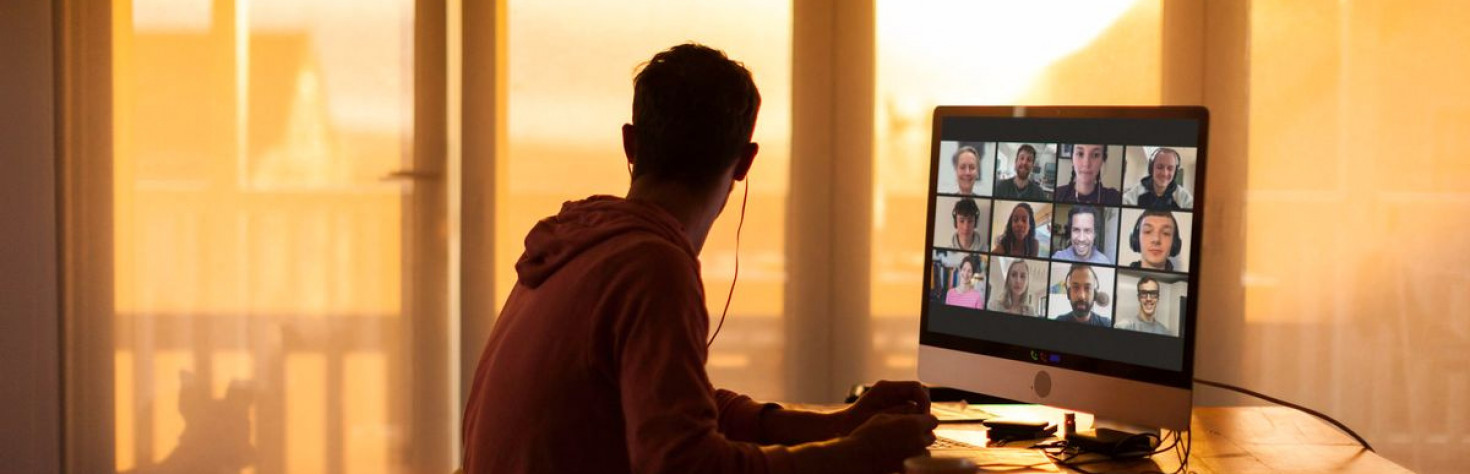
Video meetings dampen brainstorming because we are so hyper-focused on the face in that box that we don’t let our eyes and minds wander as much, a new study found.

Staring isn’t good for creativity. While it’s rude to stare at someone in real life, it’s expected when on a video call, researchers said.

When it comes to evaluating those new ideas, though, that focus, at least in one-on-one chats, seems to make remote meetings slightly better than in-person chats, Wednesday’s study in the journal Nature said.

Remote Work

The future of work is messy. Some companies are hoping that fun perks will bring people back to the office, at least a few days a week, while others don’t care if you ever come back to the office. Airbnb seems to have figured out the best of both worlds.
Airbnb is going all in on the “live anywhere, work anywhere” philosophy that much of the business world has been forced to adopt, committing to full-time remote work for most employees and a handful of perks like 90 days of international work/travel. It’s a strong, simple policy that so few large companies have had the guts to match.

In an email to employees posted to the company blog (or was it a blog post emailed to employees?), and in a Twitter thread for those who can’t be bothered, Airbnb CEO Brian Chesky outlined the new policy.

Design

If the office is ever going to be a place worth leaving home for, it needs to change. On this episode of ‘The New Way We Work’ we find out how to redesign the workplace of the future.
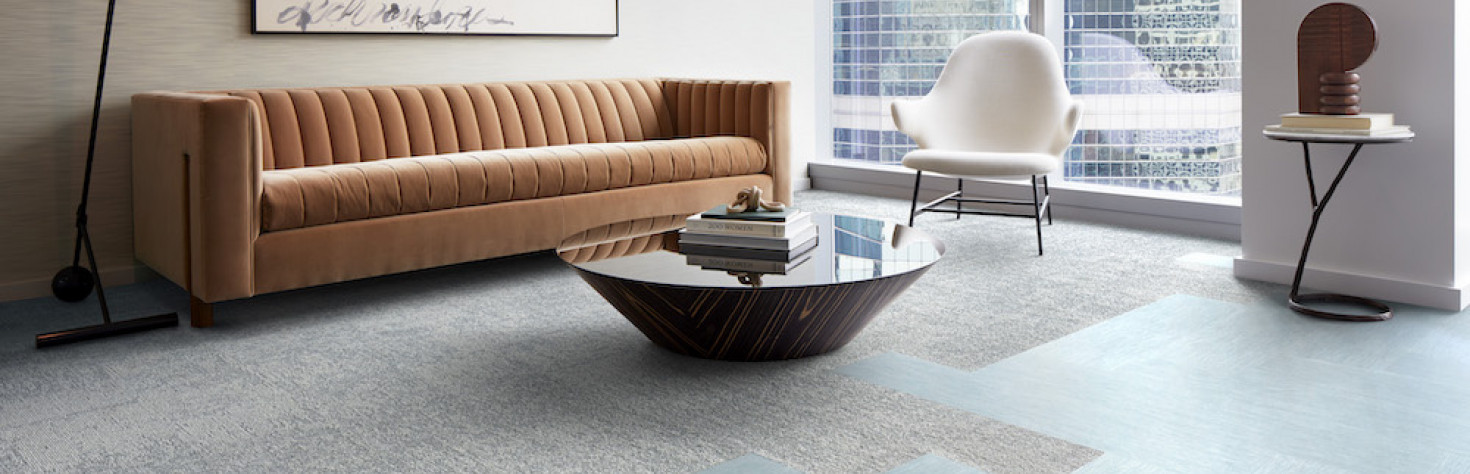
Interface’s Chip DeGrace shares why considering a holistic approach to sensory design is necessary to help employees focus.
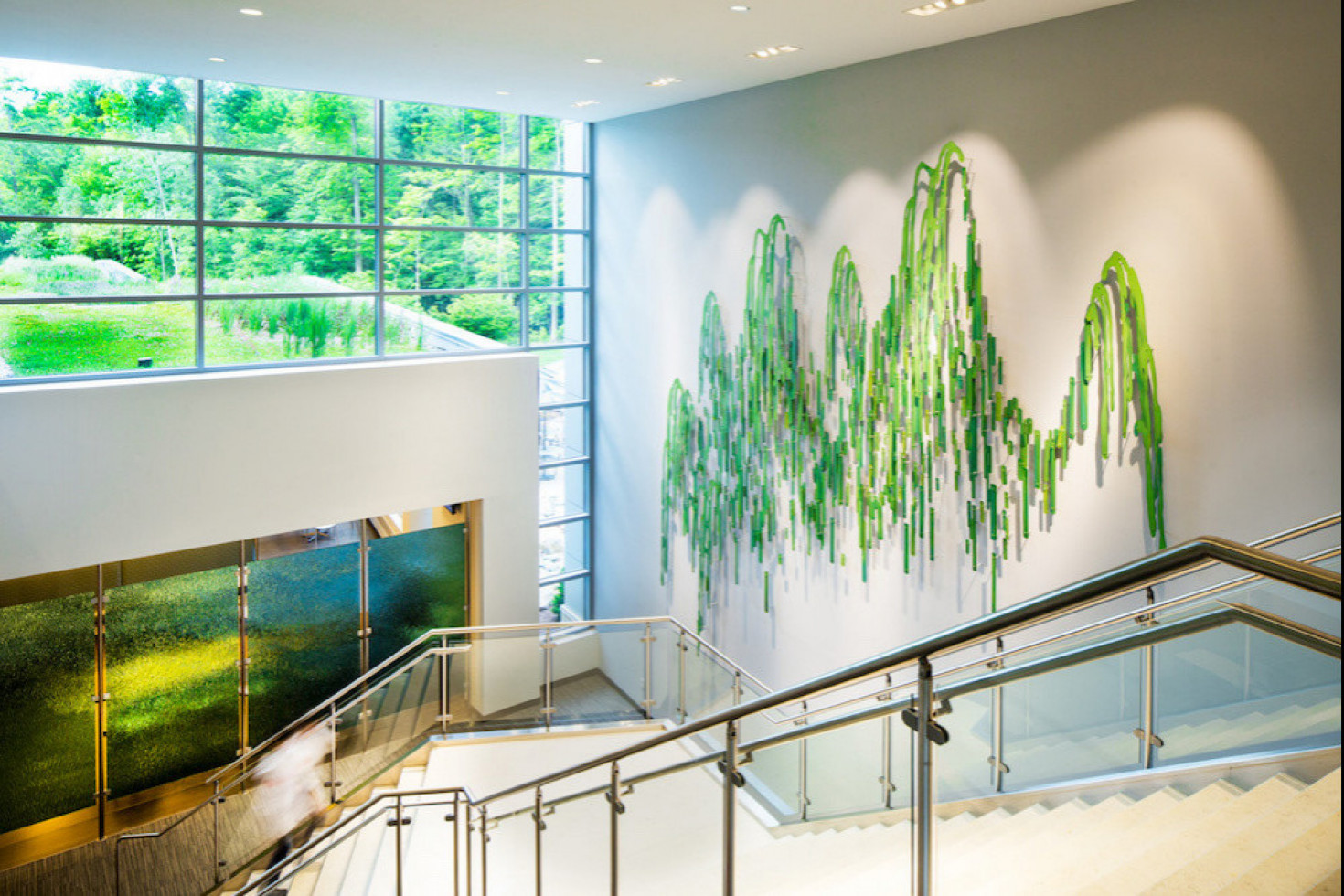
Martha Weidmann of NINE dot ARTS explores why art and nature are critical to a workspace to drive business success.

Flex Office

Flexible office space is coming back into the fold. After a rocky year leading up to the pandemic, flexible office space is once again spiking in popularity with the growing prevalence for remote and hybrid work, In short, it is becoming an important part of an office portfolio.

“Today, there are non-traditional portfolio strategies that they are able to deploy to allow them more flexibility, and that is flexible office space. This idea of having fully built-out space with flexibility lease terms where you can go in as a tenant and be quite nimble,” Julie Whelan, global head of occupier thought leadership at CBRE, said in a webinar hosted by CBRE that discussed workplace strategy and occupier sentiment.

 
Whelan says more and more companies are expecting to incorporate flexible office space to better accommodate employees. “In the next two years, the sentiment is shifting,” says Whelan. The organizations planning to dedicate at least half of their portfolio to flex space has increased 34%. “So, we really think this is an area of the market that is going to grow. Potentially, it will be additive to actual space take up and space demand going forward,” says Whelan.

Real Estate

To say there’s uncertainty in the office market is an enormous understatement. Companies and landlords are beginning to get more clarity as hybrid work models firm up and workers slowly trickle back to offices. But vacancy rates remain stubbornly high, and there’s been a vast difference in occupancy for newer and older buildings. The speculation about the future of work and the office market is endless. And one increasing question is whether or not a large swathe of office buildings faces obsolescence.

Workplace Tech

Are you slouching at your desk again? There’s an app for that… Zen uses posture mirroring software to help information workers stop hunching over their desks — sending alerts when it detects you’re not sitting up straight so you can correct your posture and, hopefully, avoid a lifetime of back problems.

The catch? It uses your webcam to check on your posture. So, er, you have to be comfortable with Zen’s software ‘watching’ through the lens as you work.

Makers

Consolidated net sales increased 30% to $180.9 million from the year ago quarter, driven by continued strength in the Workplace and Health end markets and 94% growth at Poppin. Gross margin increased 180 basis points year-over-year to 30.5%, reflecting price increases and ongoing cost savings programs offsetting continued pressure by raw material inflation, higher freight and labor costs. Selling and administrative expenses (S&A) of $48.8 million declined year-over-year as a percentage of total revenue by 550 basis points to 26.9% in the third quarter of 2022. Adjusted S&A was $48.1 million, or 26.6% of net sales, compared to $42.6 million, or 30.8% of net sales, in last year’s third quarter. Net income was $6.3 million, or $0.17 per diluted share, reflecting a significant increase from net loss of $4.5 million or $(0.12) per diluted share in the year ago quarter. Adjusted net income was $7.6 million, or $0.21 per diluted share, up from net loss of $1.0 million, or $(0.03) per diluted share in the third quarter of fiscal 2021. Adjusted EBITDA was $11.5 million compared to $1.9 million in the year ago quarter.
 
CEO Kristie Juster commented, “We were very pleased to report strong third quarter results, which reflected robust demand across our product portfolio and our increasing ability to effectively navigate industry-wide headwinds. Sales in our Workplace and Health end markets increased 41%, and accounted for 81% of third quarter sales, driving significantly improved profitability.
Revenues for the quarter ended March 31, 2022 were $38.3 million, an increase of $8.8 million or 30% from $29.5 million for the period ended March 31, 2021. While the resurgence of COVID-19 infections due to the Omicron variant at the beginning of the year temporarily sent many employees back to their home offices and delayed return dates, DIRTT and its partners experienced an uptick in planning activity and opportunities growth which began to translate into orders in March 2022.

Gross profit for the quarter ended March 31, 2022 was $3.3 million or 8.6% of revenue, a decrease of $0.1 million or 2% from $3.4 million or 11.4% of revenue for the quarter ended March 31, 2021. The decrease in gross profit margin largely reflects significant inflationary increases in the realized cost of materials, transportation and packaging partially offset by improved labor utilization and fixed cost leverage on higher revenues. Gross profit for the quarter ended March 31, 2022 also included $1.1 million of accelerated depreciation and amortization arising from a change in useful life of assets.

Hightower announces the first of its product Declare labels
Hightower has announced a first: Declare labels for a collection of its popular Kona Tables, marking a significant milestone in the company’s sustainability efforts.


Hightower co-founder and CEO Natalie Hartkopf expressed what the company's new Declare labels mean to the work she's been dedicated to for the last three years: "Our new Declare labels show the intentionality of our ongoing commitment to material health.”


Hightower’s Sustainability Manager Michaela Shaw shared her thoughts on pursuing Declare labels saying, “As complex as the process was, working with dozens of our suppliers in order to learn every detail of their most closely guarded product formulations, it was 100% worth it! Since the 2016 adoption of Declare into the LEED v4 credit, there’s been an overall industry shift to material ingredient disclosure and toxic chemical avoidance, accelerating the transformation of the way materials are made. Declare labels will help Hightower products contribute to LEED certifications and this progress is so important in our efforts to create healthier environments."

Products
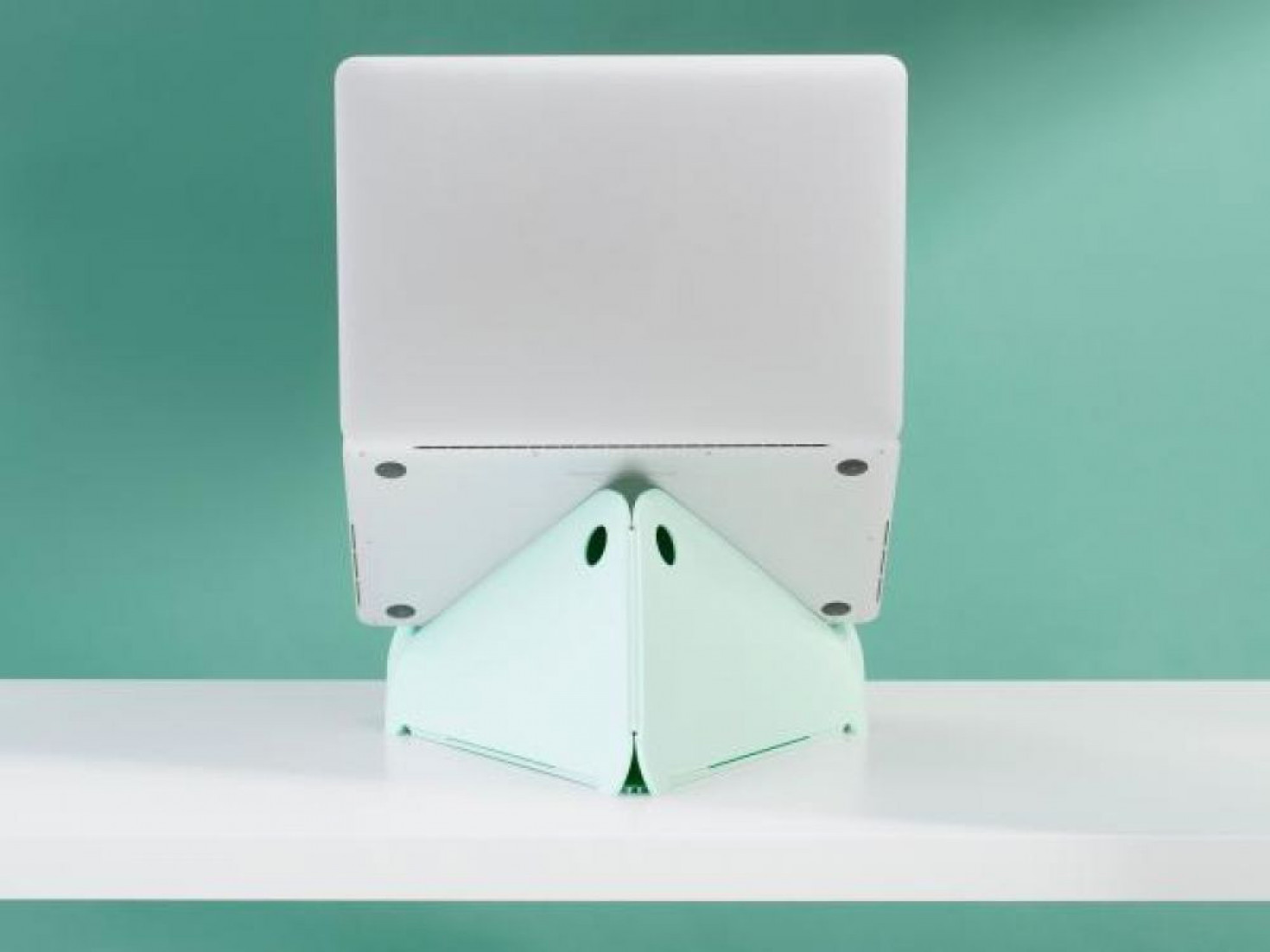
Colebrook Bosson Saunders (CBS) has introduced new colours to the Oripura Laptop Stand to expand the ergonomic range and influence mental and emotional wellbeing. Oripura is a portable, foldable laptop stand that allows users to create an ergonomic workstation anywhere. The collection is now available in white, mint green, and yellow.

Projects
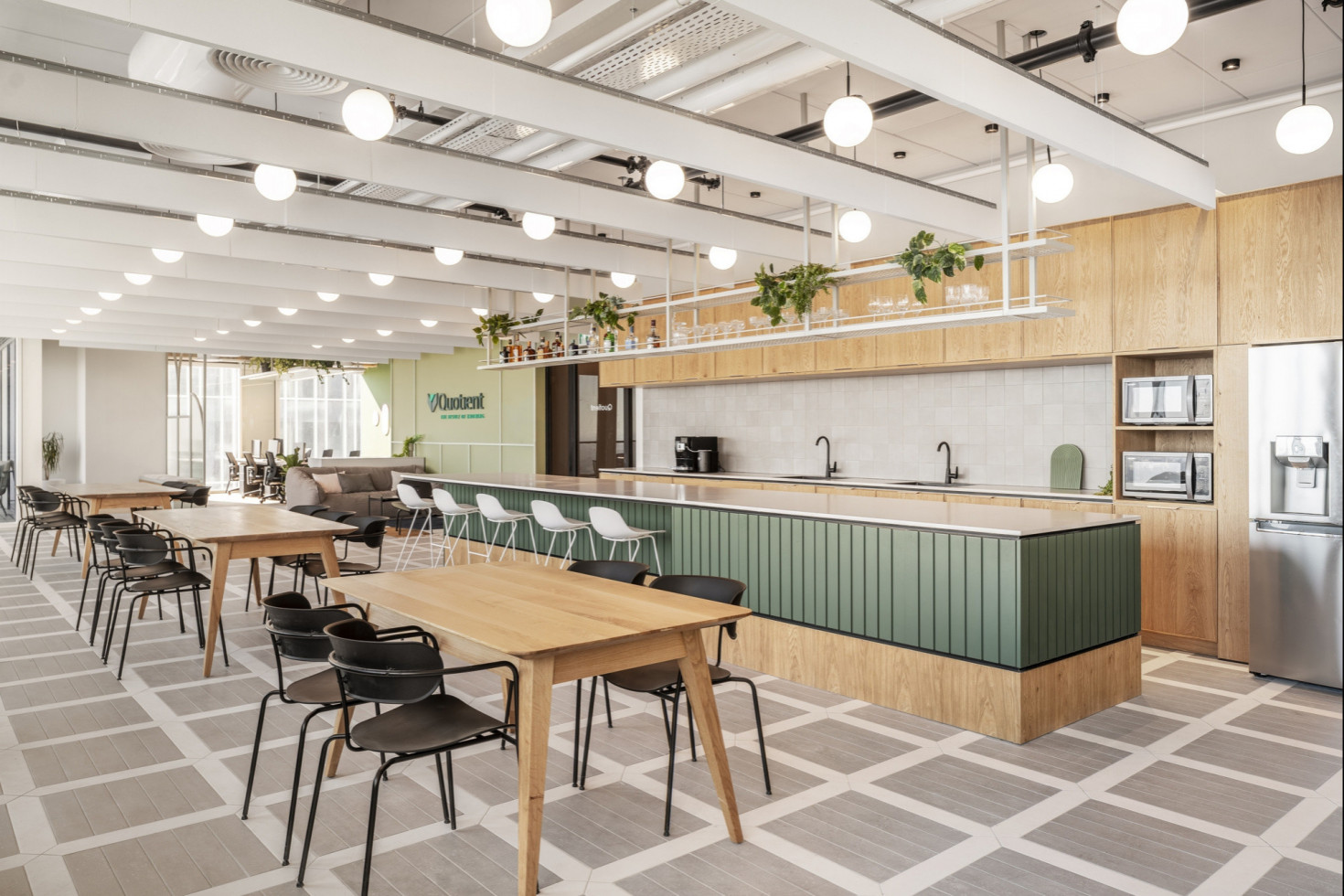
Switchup completed the Quotient Technology offices with natural materials and greenery to create a welcoming work environment in Tel Aviv, Israel.

The Last Word
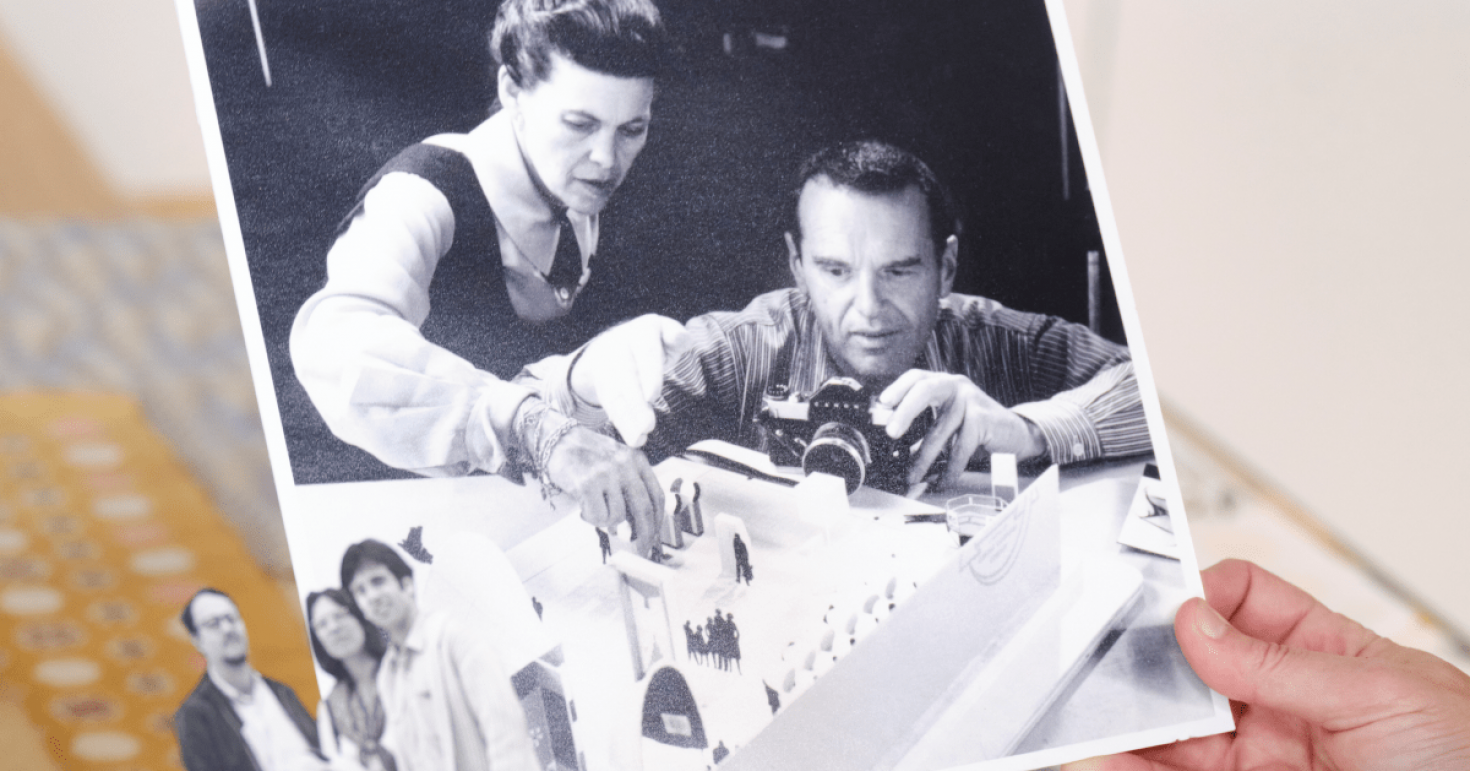
The Eames Institute seeks to be a counterpoint to the design industry’s relentless hype machine.


Find the best Contract Furniture Industry jobs and hire the best talent.

created in Publicate