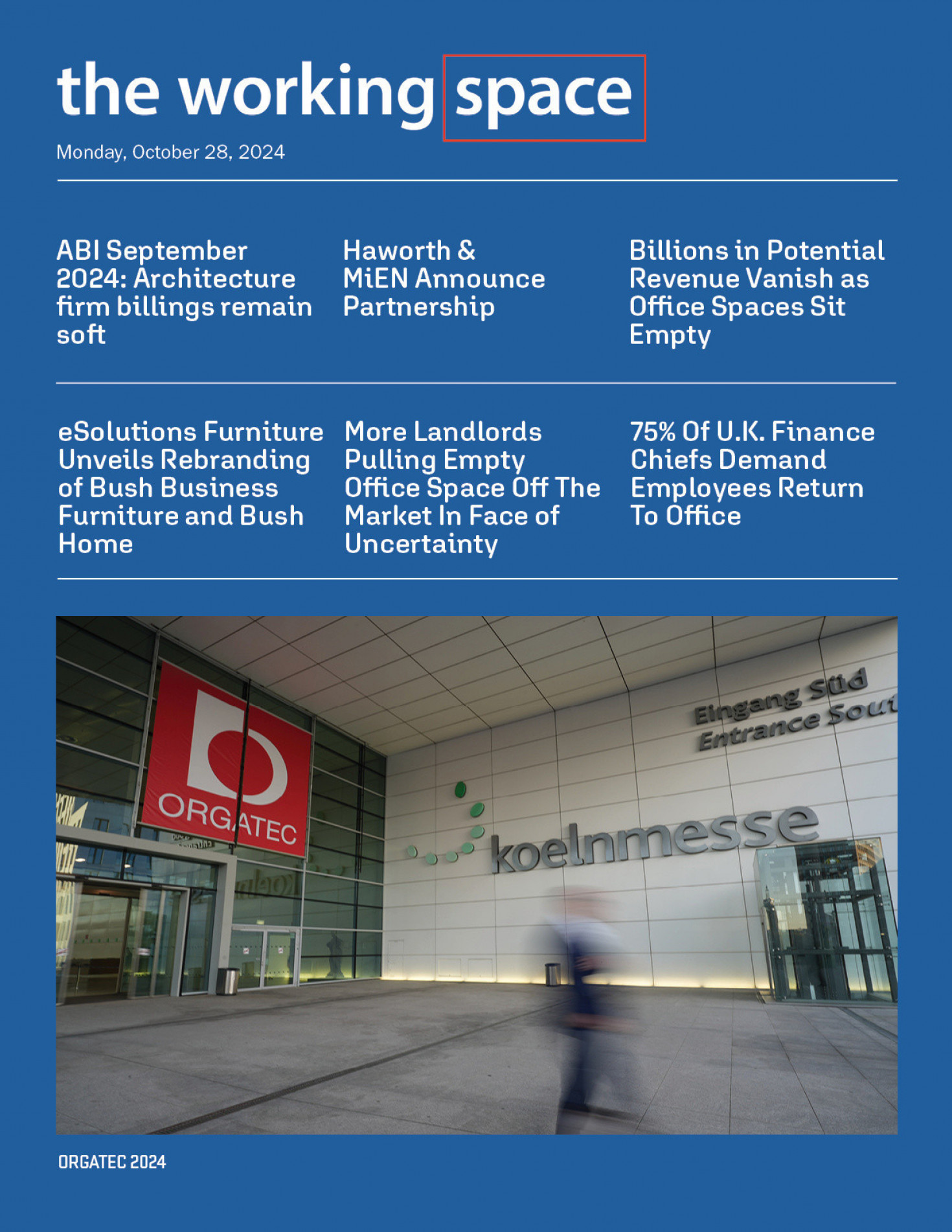
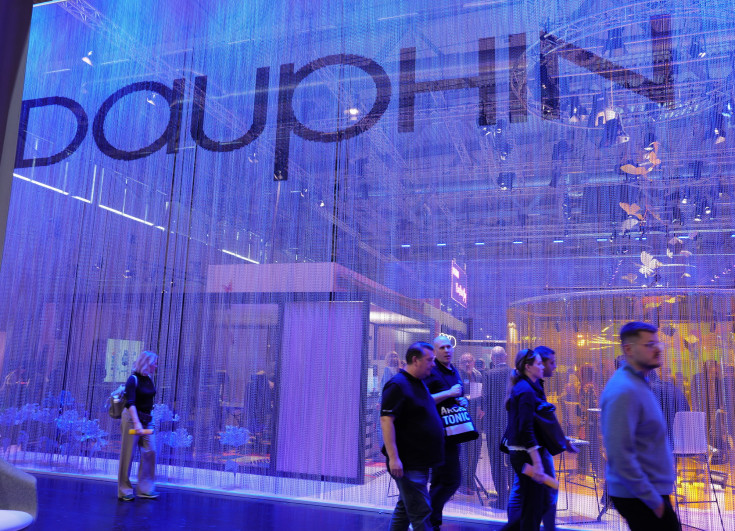
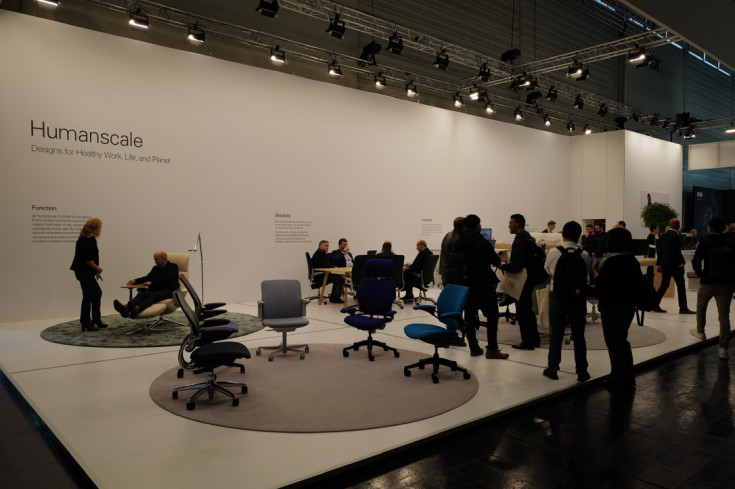
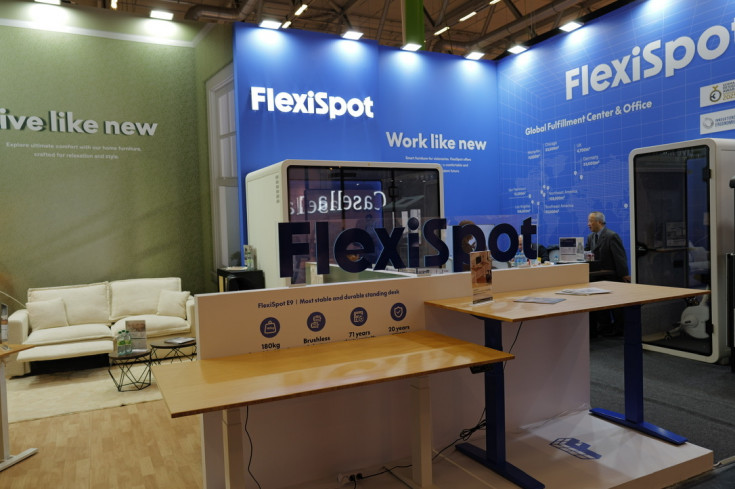
ORGATEC 2024 / ABI September 2024: Architecture firm billings remain soft / Haworth & MiEN Announce Partnership / Billions in Potential Revenue Vanish as Office Spaces Sit Empty / MillerKnoll sheds $135m, company earnings and investor returns have been trending downwards for past five years / eSolutions Furniture Unveils Rebranding of Bush Business Furniture and Bush Home / More Landlords Pulling Empty Office Space Off The Market In Face of Uncertainty / Bolt CEO Slams Remote Work “Insanity,” Calls 4,000 Employees Back To Office / RTO mandates and the traditional commute / 75% Of U.K. Finance Chiefs Demand Employees Return To Office / Disregarding Data: The Real Reasons behind RTO Mandates / Sick days rise 41 percent over last three years as business productivity falls post-pandemic / 'Create A Magnet, Not A Mandate': Companies Look To New Amenities To Drive Office Workers Back / The rise of the part time office opens up a new frontier for market growth / and much more…
The Working Space
Monday, October 28, 2024
Industry News
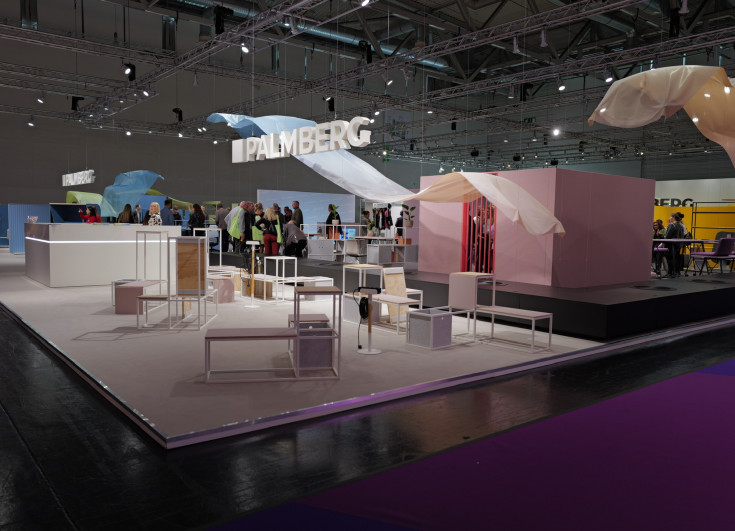
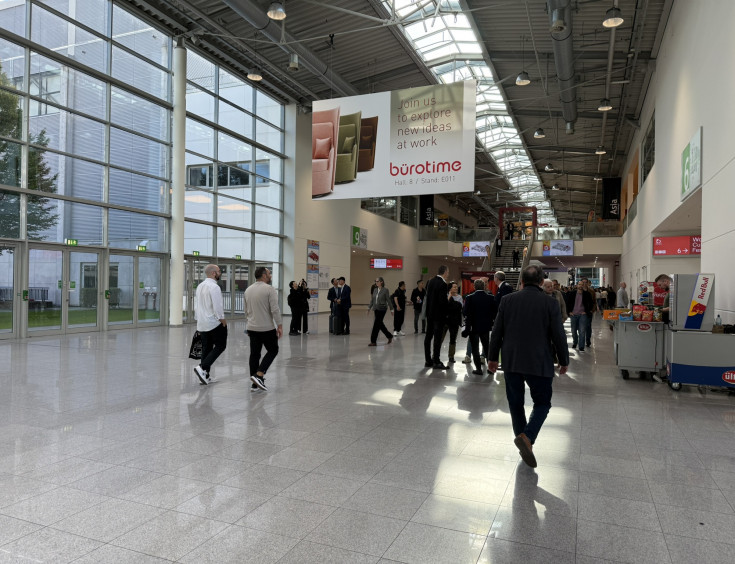
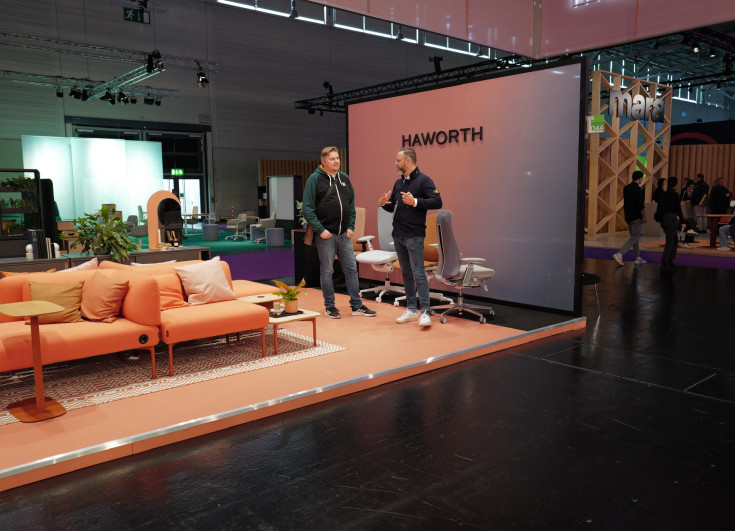
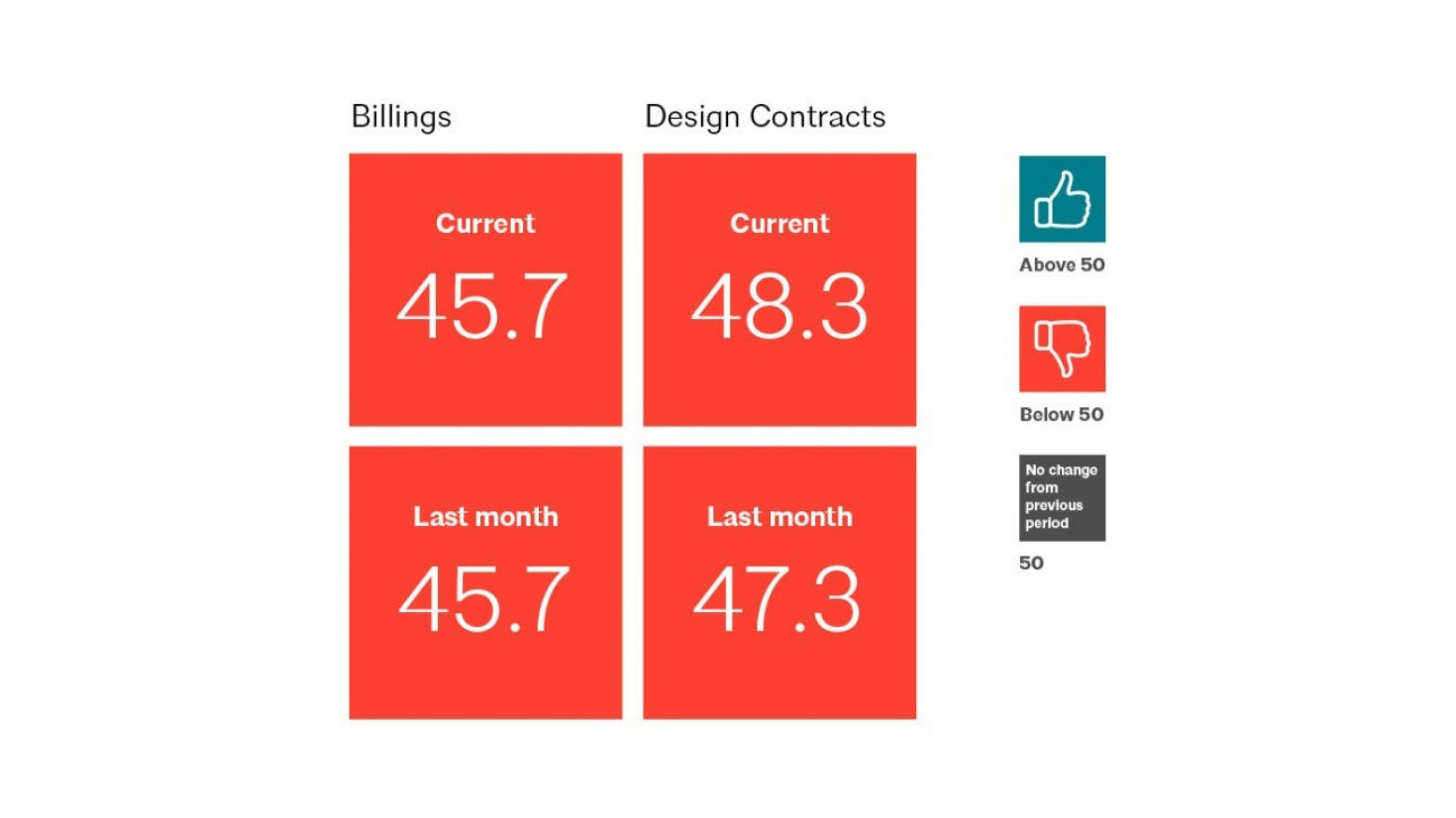
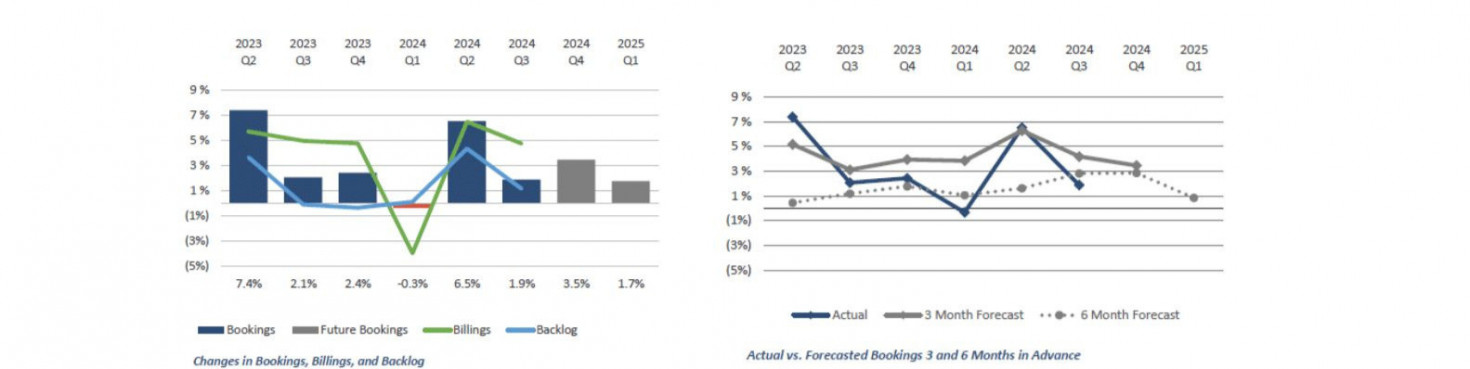
In September 2024, architecture firm billings continued to decline, with an ABI score of 45.7. Despite increased inquiries for new projects, the value of new design contracts decreased for the sixth month in a row. Employment in architectural services fell by 1,300 positions, while overall economic conditions improved with rising nonfarm payrolls and declining inflation. Reconstruction projects have seen a slight increase, with firms focusing on updating interiors and adaptive reuse. The document highlights ongoing challenges in securing new agreements and the impact of interest rate cuts on future projects.
Features

Charles and Ray Eames revolutionized design with their functional and democratic approach, creating iconic pieces like the world's first molded plastic chair. Their work emphasized problem-solving through innovative materials and mass production, leading to significant contributions in both furniture and architecture, including the Eames House. Their legacy continues to influence modern design and architecture.
Workplace News
Coworking

To create a coworking space that members love, focus on authenticity, community, and employee experience. Build genuine connections through transparency and personal interactions, foster a strong sense of belonging, and ensure employee satisfaction to enhance member experiences. Utilize storytelling to create emotional connections and differentiate your brand, while staying attuned to emerging trends like AI, sustainability, and the integration of virtual and physical spaces.
Trends
Design
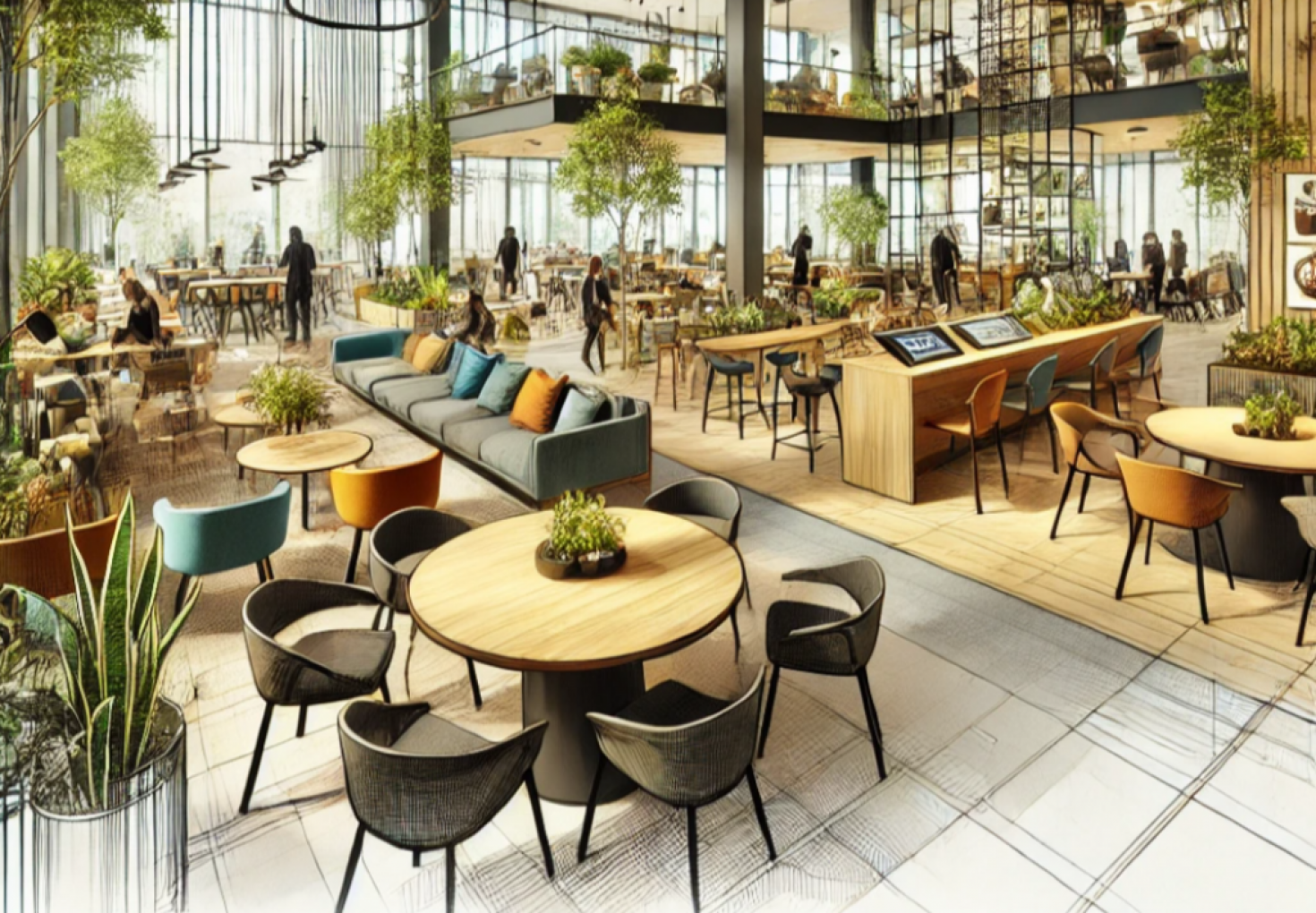
Café spaces in modern workplaces are evolving from simple break rooms into vibrant community hubs that foster connection and collaboration. These intentional environments prioritize employee experience, combining cozy atmospheres with elements that enhance creativity. The transformation of spaces, like the New York office's café, illustrates how thoughtful design can reshape workplace culture, encouraging spontaneous interactions and a sense of belonging. As workplaces adapt to new needs, future cafés are expected to serve as dynamic venues for creativity and social engagement, celebrating individual preferences and enhancing the overall work experience.
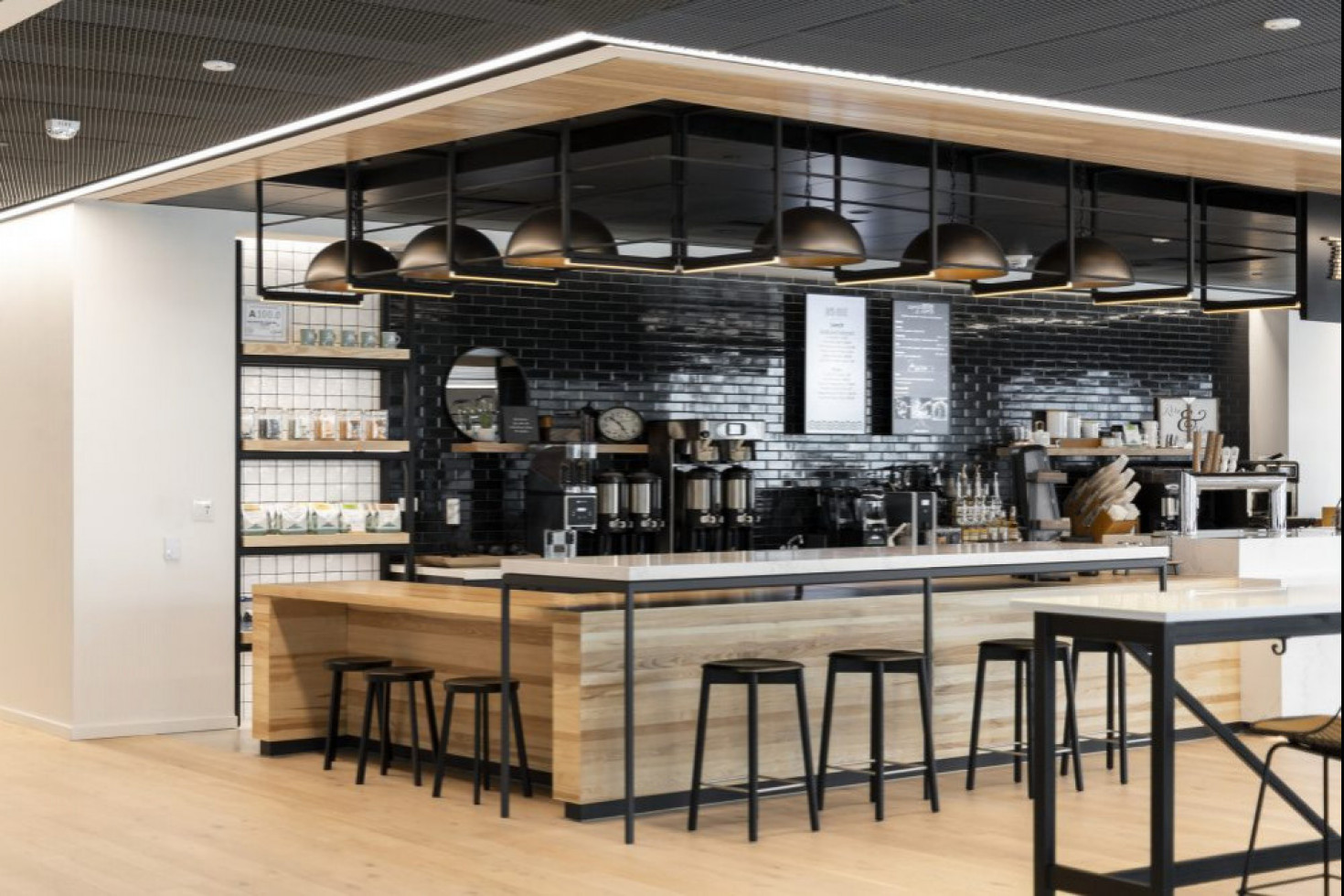
The design of office cafés is crucial for enhancing workplace wellness and productivity. Key elements include flexibility in space usage, access to power sources, and a variety of furniture. The café should evoke comfort and inclusivity, featuring residential-style kitchens and nutritious food options. By promoting sustainability and providing a retreat for mental breaks, the work café can foster a sense of community, support employee well-being, and ultimately boost retention and attraction of talent.

The article explores the intersection of design history and science fiction, highlighting how films like Poor Things and Blade Runner draw upon architectural references to envision future realities. It discusses the influence of midcentury modernism on contemporary design, showcasing iconic furniture in sci-fi settings, and emphasizes how science fiction serves as a tool for rethinking social structures and environmental challenges. The relationship between architecture, design, and speculative narratives is framed as essential for understanding human experience and future possibilities.
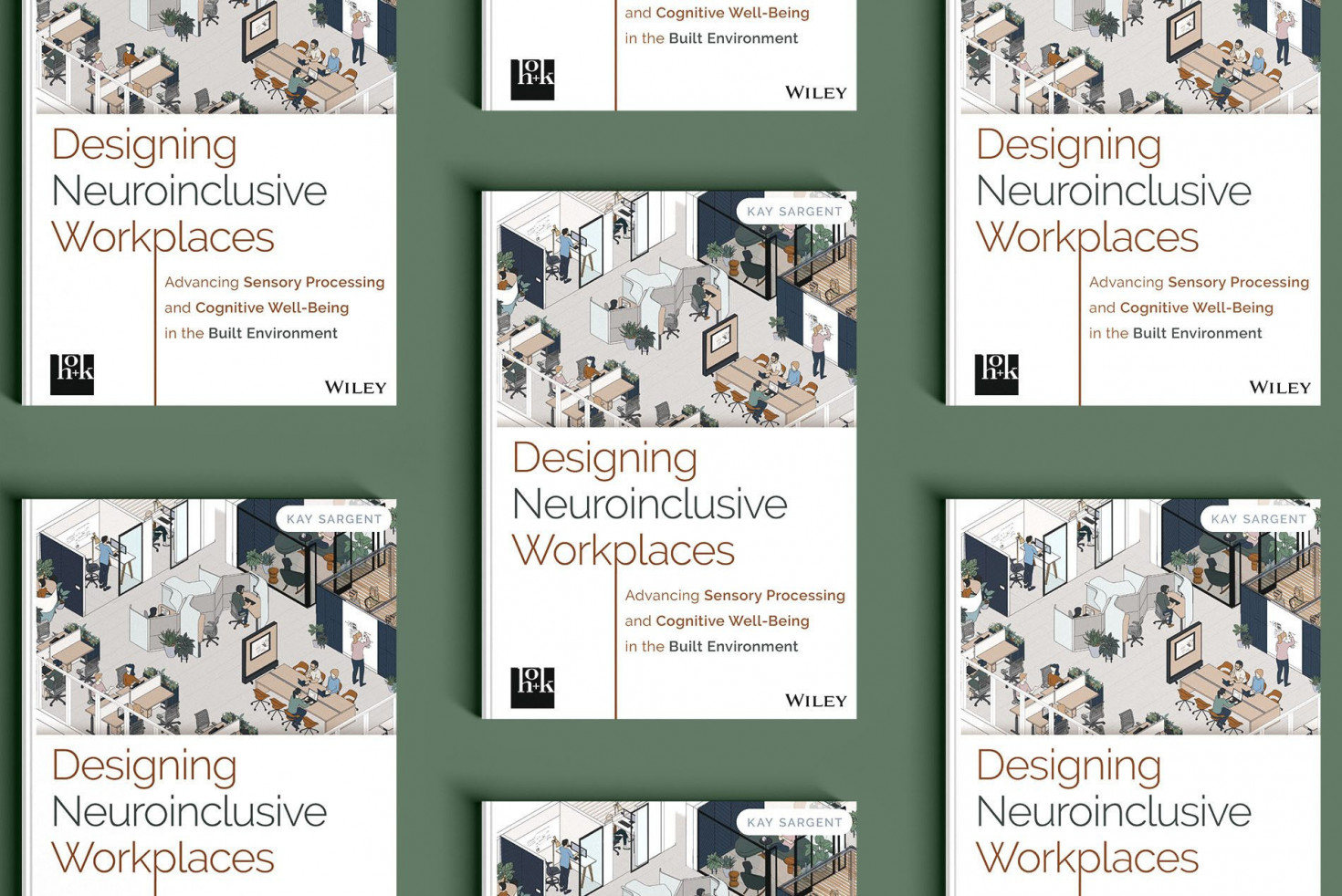
Kay Sargent, director of thought leadership at HOK, authored the upcoming book Designing Neuroinclusive Workplaces, set to publish in March 2025. The book addresses the intersection of neurodiversity and workplace design, providing strategies to create inclusive environments for neurodivergent individuals. It combines research, best practices, and personal insights, aiming to benefit designers, organizations, and neurodivergent individuals alike. Sargent's work has garnered multiple industry awards, highlighting her contributions to neuroinclusive design.
Green / Sustainability

HOK’s Anica Landreneau discusses the upcoming LEED v5 certification, emphasizing its focus on rapid decarbonization, biodiversity, and human health. The new version aims to address climate change by requiring zero emissions for Platinum certification and aligning with other industry initiatives. LEED v5 is designed for 2025-2030, incorporating resilience and equity, and includes comprehensive assessments for carbon, human impact, and climate risk. The development process faced challenges, such as balancing electrification requirements with state laws, but aims to provide a robust framework for sustainable design.
RIVA Spain and AIA Miami Announce Claudio Salazar Winner of the RIVA Prize for Excellence in Sustainable Design
RIVA Spain and AIA Miami announced Claudio Salazar as the winner of the inaugural RIVA Prize for Excellence in Sustainable Design for his project, the Connor Residence. This award recognizes architects committed to sustainability and innovative design. The project features a rainwater harvesting system, energy-efficient design, and solar panels, showcasing a strong connection to nature and climate adaptation. As the prize winner, Salazar will receive a trip to Spain to explore its architectural heritage. The RIVA Prize aims to celebrate sustainable architectural practices and innovation.
Dealers

Latest Product News
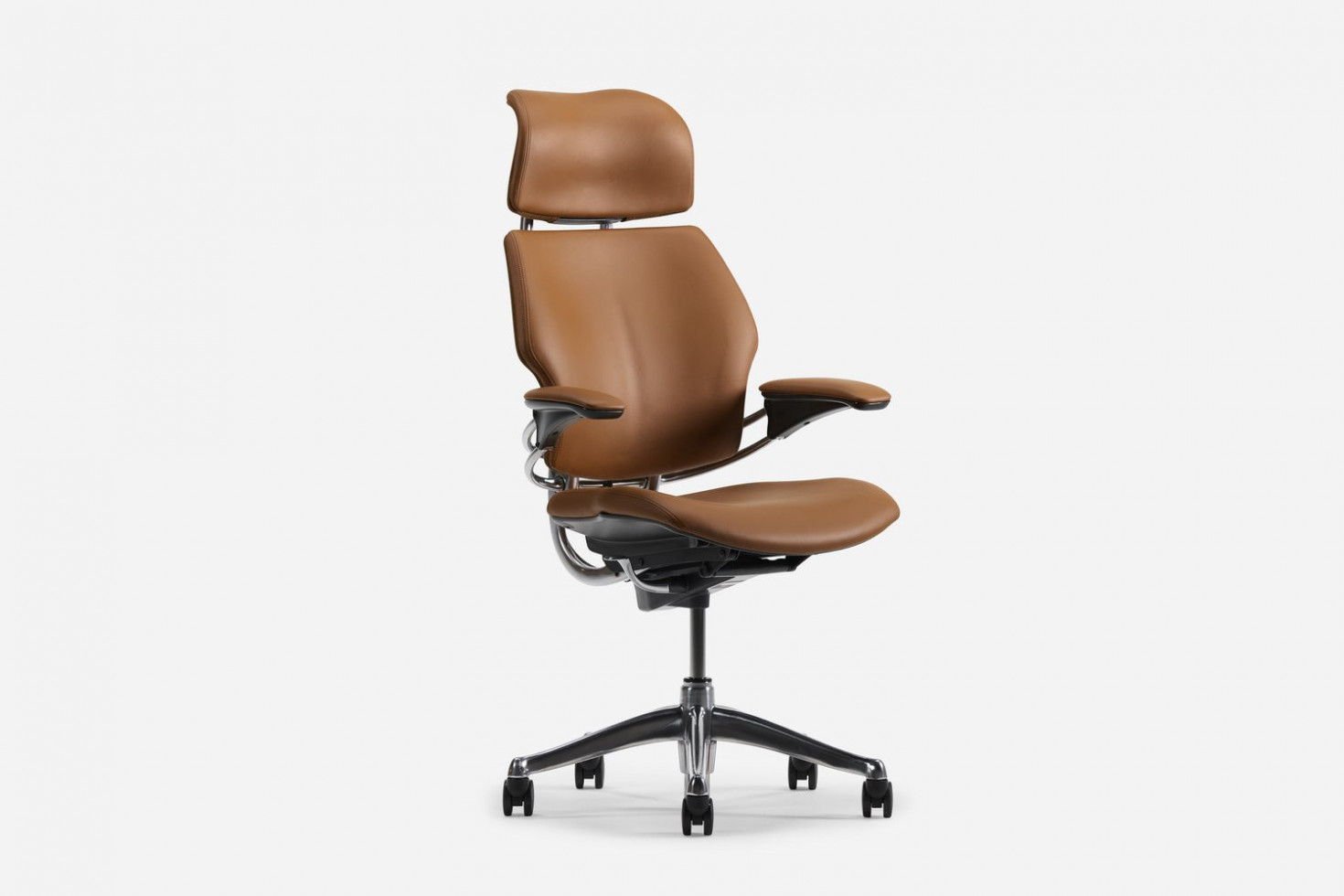
Humanscale has officially launched the limited-edition Freedom 25th Anniversary Signature Edition chair, celebrating 25 years of ergonomic design. Limited to 250 units, this chair features an upholstered back, polished aluminum trim, and is available in various premium fabrics and leathers. Each chair is numbered and signed by designer Niels Diffrient, representing a significant milestone in ergonomic seating innovation. Interested buyers can order through the Humanscale website.
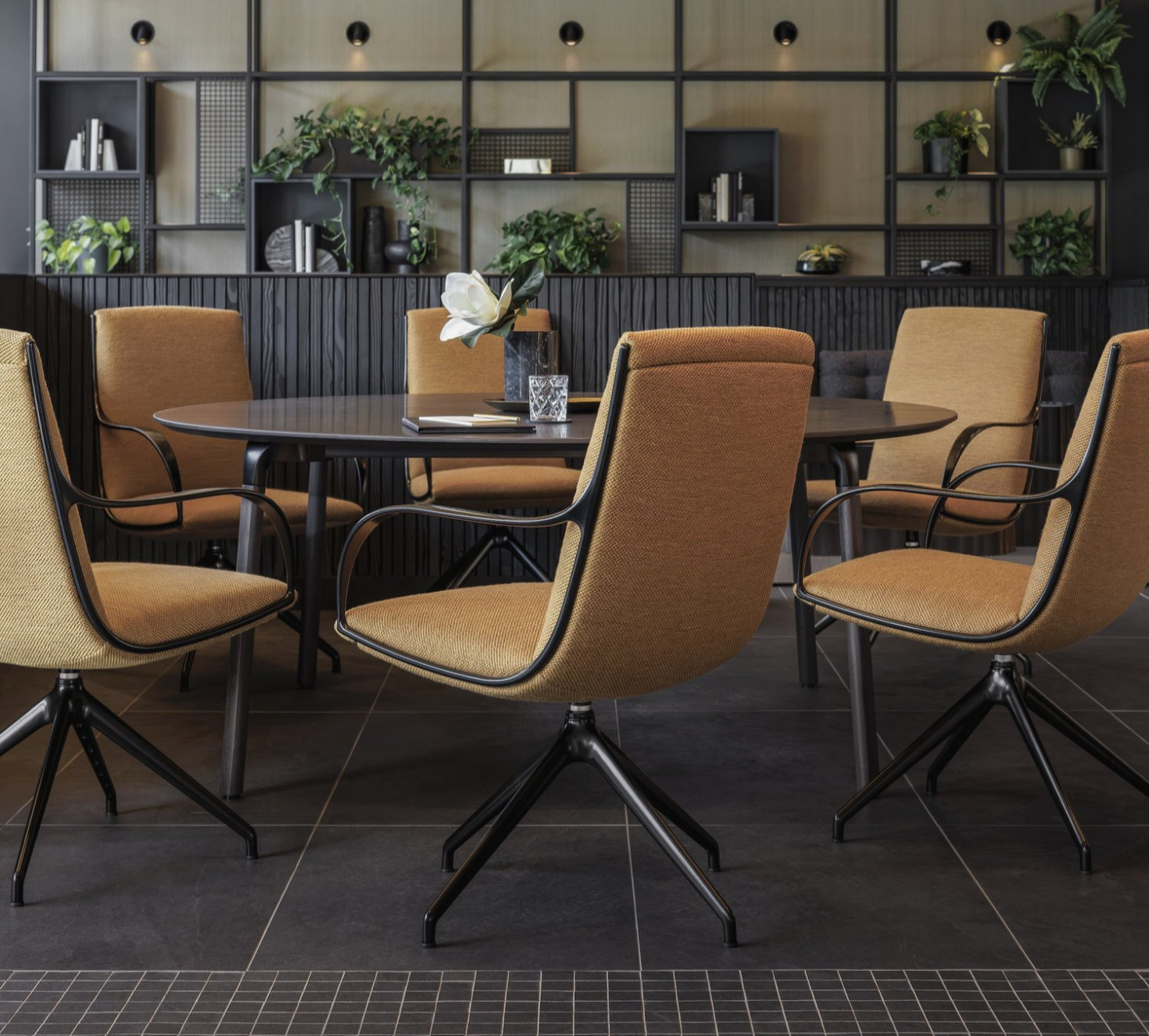
Studio TK has launched Jotta, an office chair designed by Estudi Manel Molina, inspired by nature. The chair features a versatile design suitable for various work positions, combining beauty and functionality. It offers comfort and support, with options for cantilevered or looped aluminum arms and a choice of finishes and textiles. Jotta aims to provide a freeing furniture experience for modern work environments.
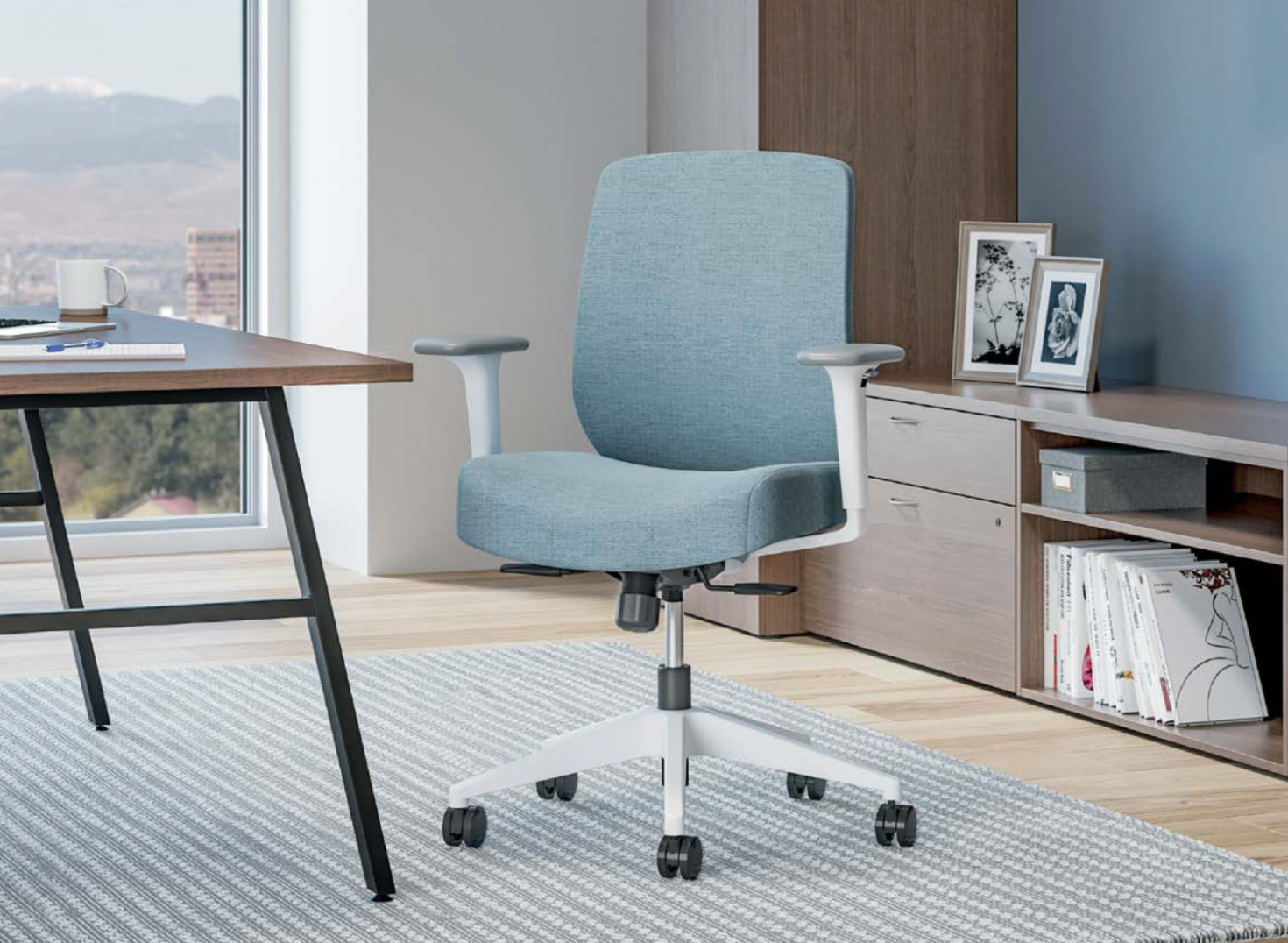
HON Company has launched the Altern Task Chair, a customizable and affordable seating solution designed for various work environments. It features a lightweight design with options for mesh or upholstered backs, adjustable armrests, and lumbar support. The chair is available through the HON NOW Quickship Program for fast delivery. HON has been creating office furniture since 1944, focusing on enhancing workspace functionality and comfort.
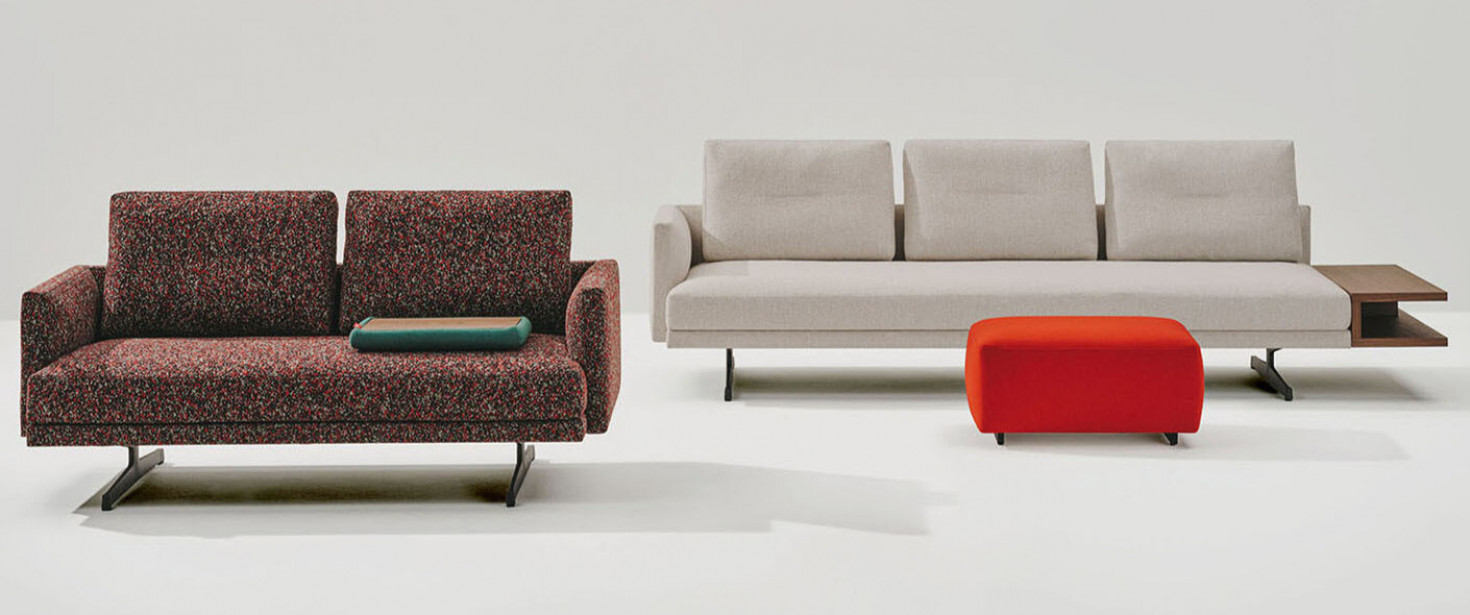
Jean-Marie Massaud's 'Steeve Lou' is a free-standing sofa designed for Arper, featuring a lightweight design with T-feet and ergonomic elements. It offers comfort with advanced upholstery foam, high backrests, and is available in two or three-seater options. The sofa's classic structure is modernized with rounded armrests and flexible cushions, and it is designed for longevity with replaceable covers and dismantlable components.
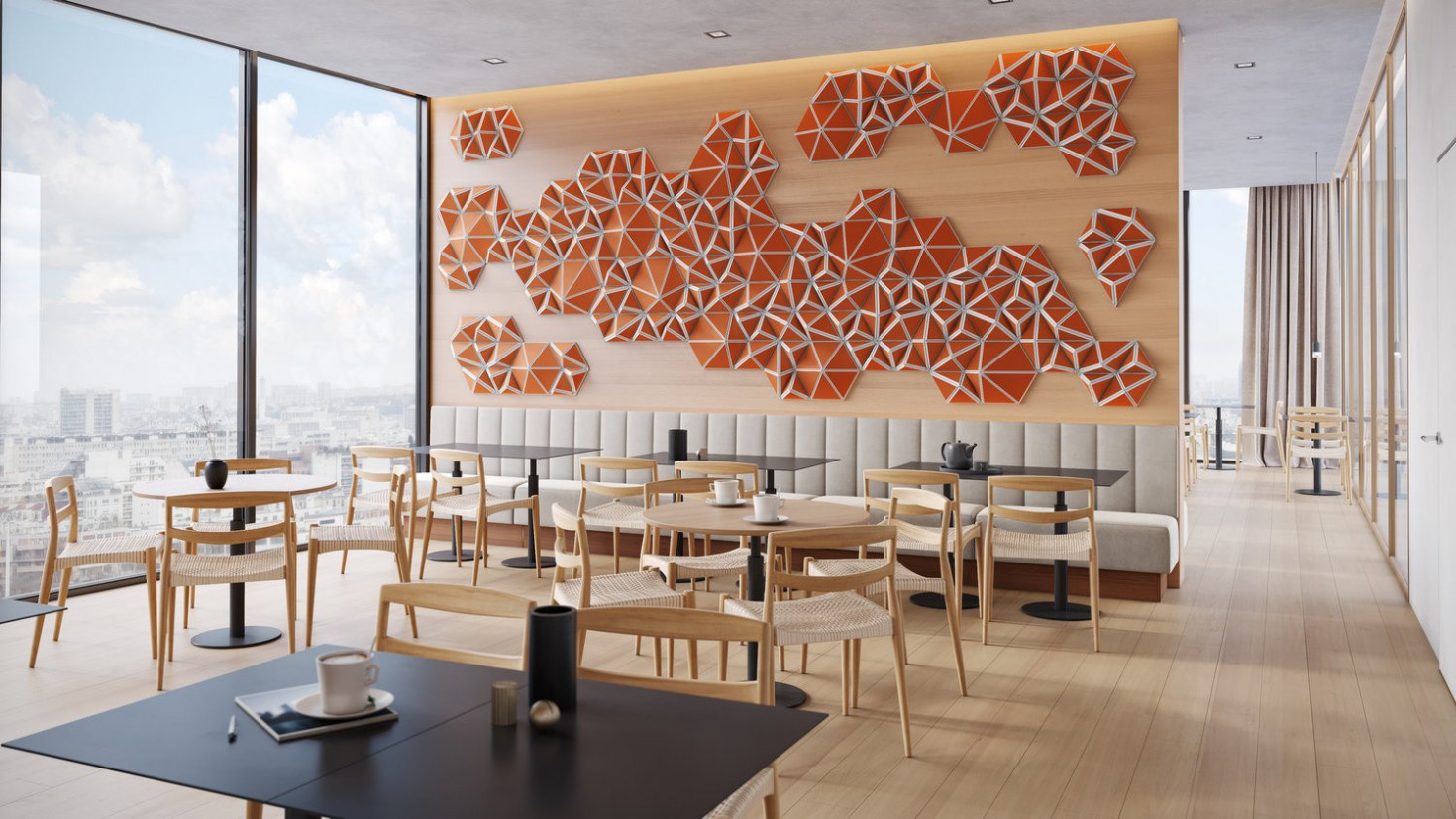
Unika Vaev has launched a new Acoustic Product Collection in collaboration with designer Eliza Redmann, featuring the Folded Poetry Tile Collection. Inspired by Redmann's recovery from traumatic brain injury, the collection includes Diad, Hexad, and Triad designs that disperse and absorb sound while visually reflecting disorientation. Made from PET, these tiles offer customizable patterns for various spatial applications, addressing both aesthetic and acoustic needs.
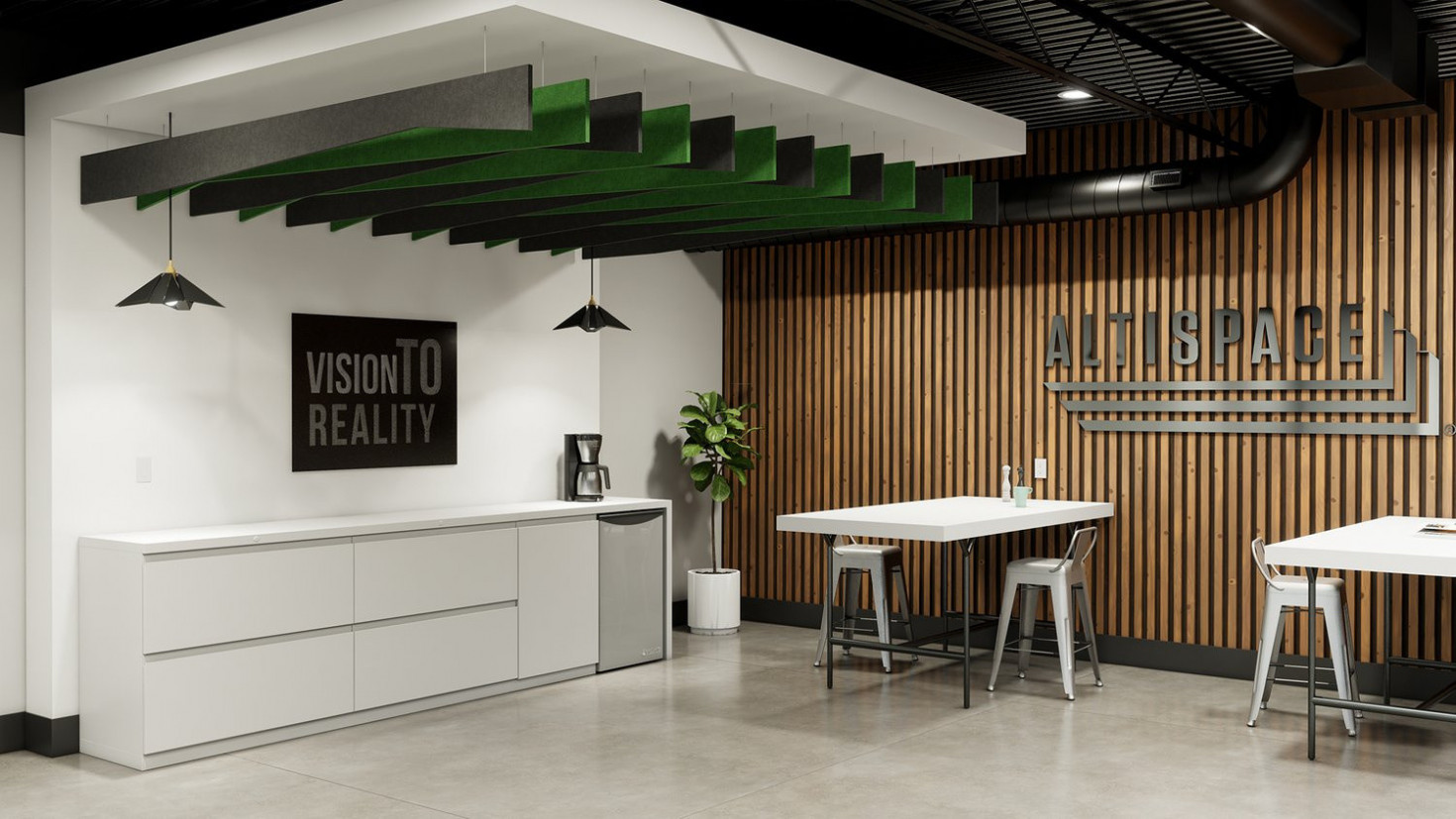
Altispace offers innovative acoustic solutions designed to enhance sound quality and reduce noise in office environments. Their products, including Acoustic Blades, Fins, and Shapes, blend style with functionality, providing effective sound management while maintaining a modern aesthetic. Customization options are available to suit various office layouts, and the incorporation of these solutions aims to create a productive and tranquil workspace.
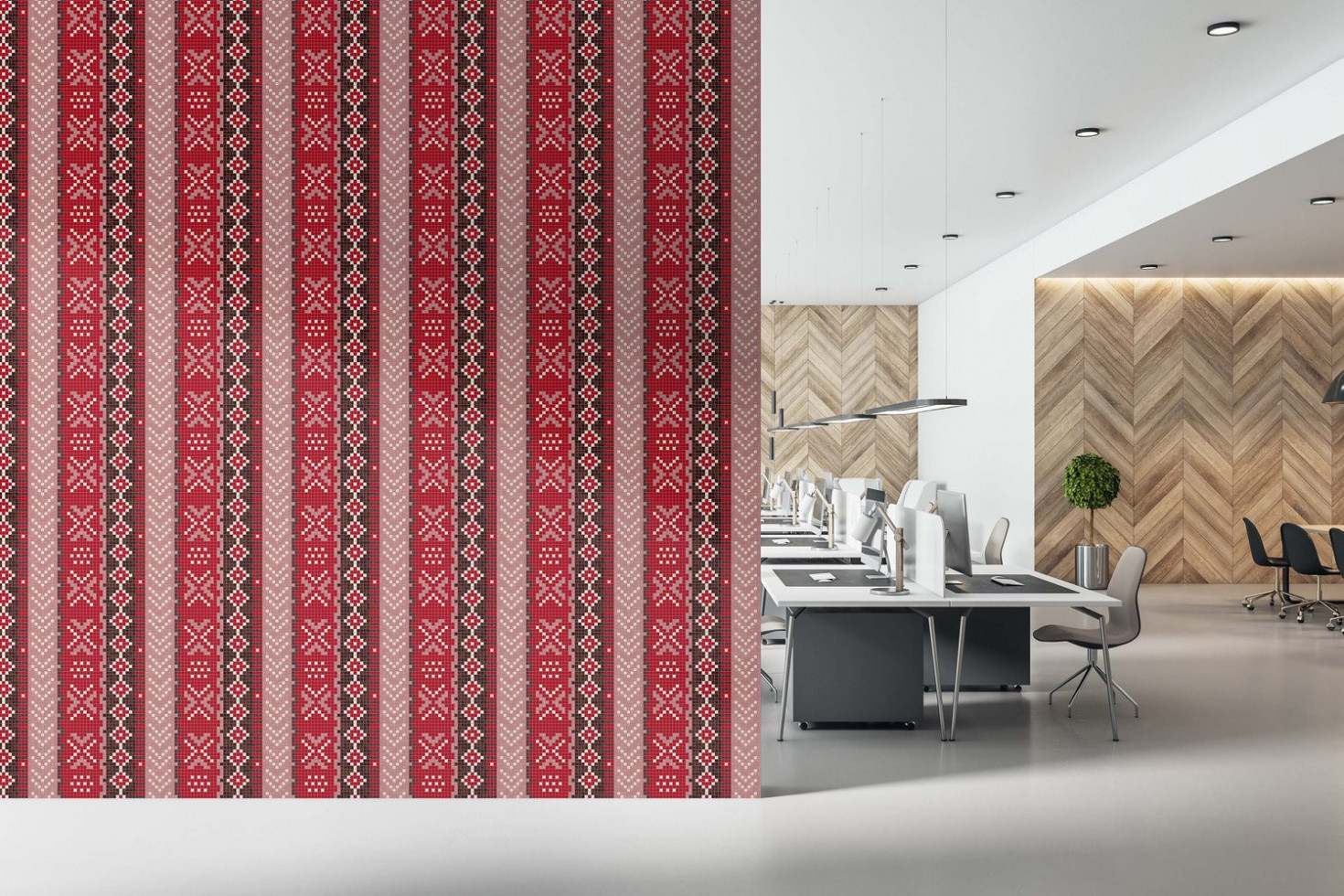
Artaic has expanded its ½” vitreous glass tile offerings with new colorways and designs to meet the growing demand for custom mosaics. The new palettes, including Clementine, Rogue, Rose, and Tropical, enhance the company's ability to deliver high-quality, detailed mosaics quickly, with projects moving from concept to completion in four to eight weeks. Artaic's innovative approach simplifies the mosaic creation process, making it more accessible for designers and architects, while recent projects showcase the tiles' versatility in various public and residential applications.
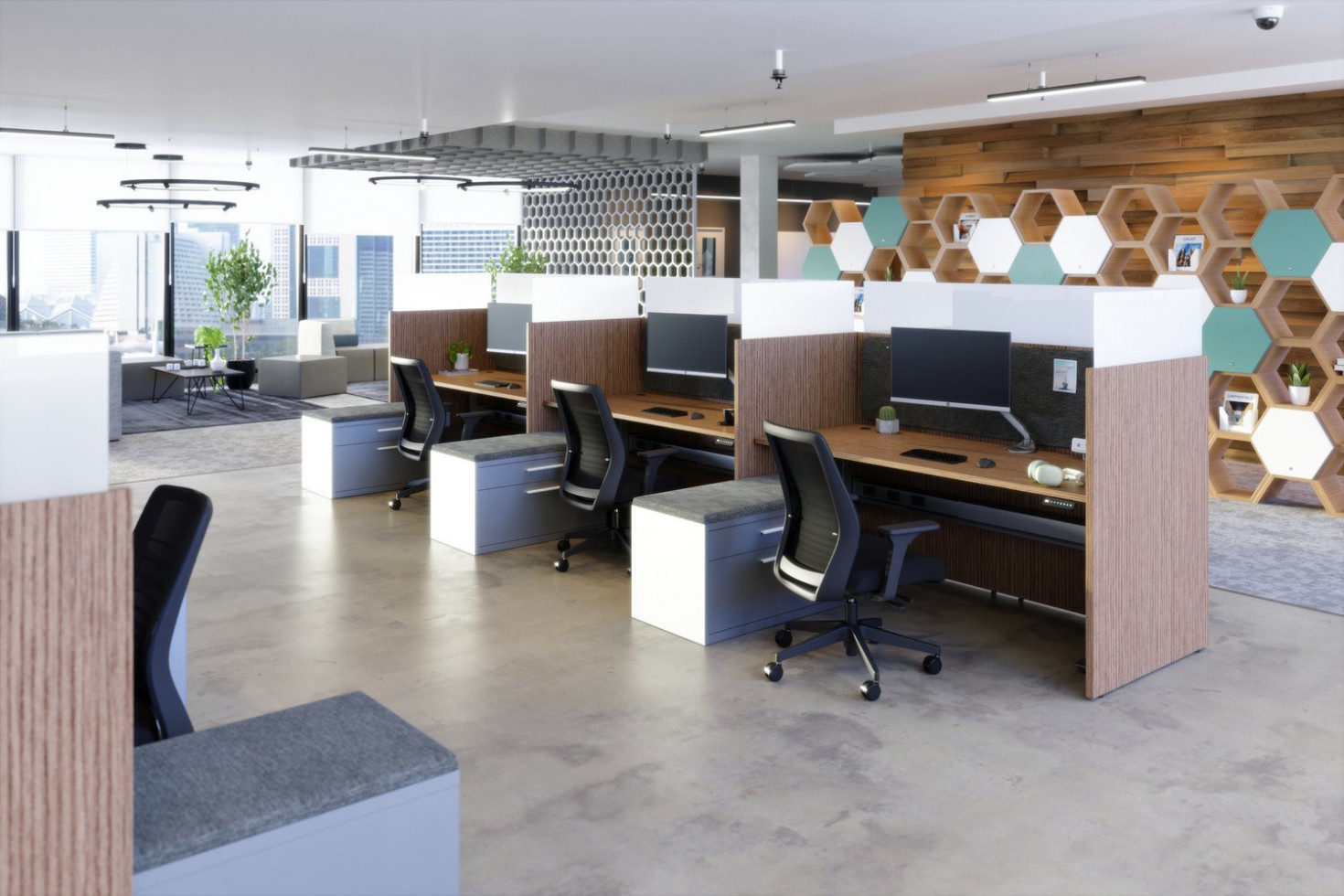
Clear Design has launched the DELTA Panel System, designed for modern workspaces, offering privacy and collaboration with a quick 5-day lead time for delivery. The system features customizable laminate partitions with writable frosted glass, available in height-adjustable and fixed options, and supports various workstation configurations. The product is BIFMA certified, ensuring high durability and performance standards. For more details, visit mycleardesign.com.
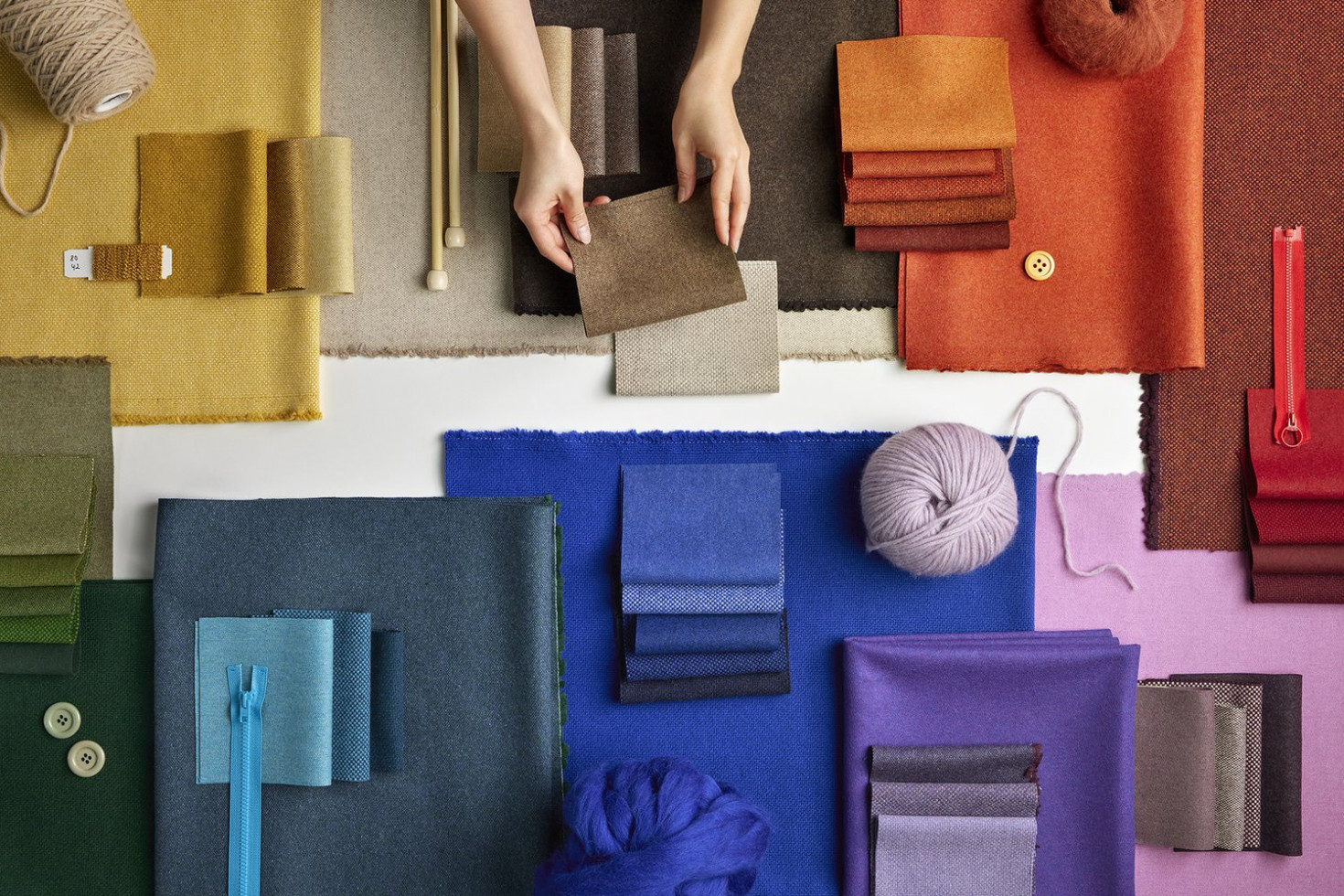
Designtex has launched the Wool Library, a collection of four foundational textiles made from renewable and postconsumer recycled wool, available in 190 colors. The collection includes Basket, Checker, Micro Tweed, and Heather, each designed for durability and style. The textiles are free from harmful chemicals and contribute to sustainability efforts, with a high recycled content that supports LEED certification. The innovative recycling process transforms discarded wool garments into new, luxurious fabrics suitable for high-traffic environments.
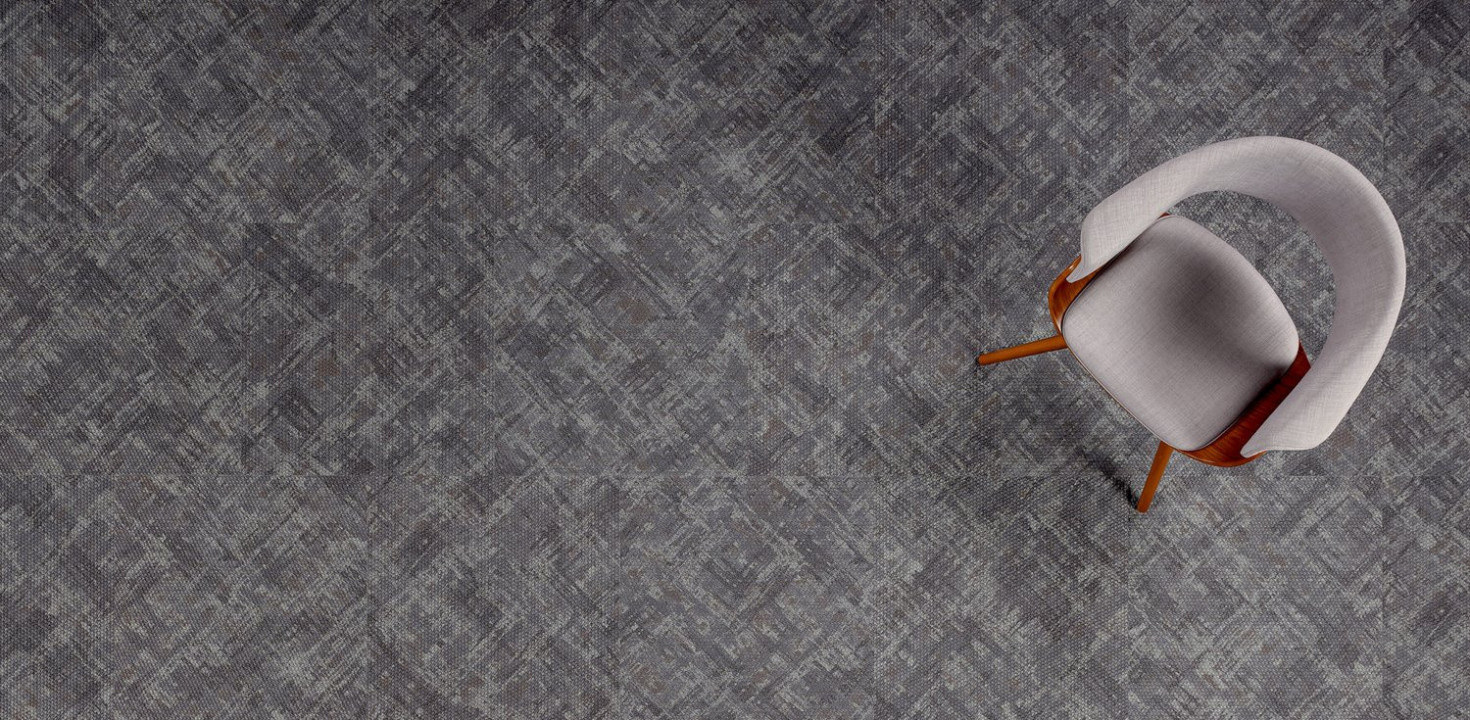
J+J Flooring has launched Synergy, an expansion of its Kinetex line of textile composite flooring, combining the durability of hard surfaces with the comfort of carpet. The collection features 14 colorways with unique accent colors, designed for various environments including workplaces and healthcare. Kinetex emphasizes sustainability, containing at least 45% post-consumer recycled content and achieving carbon neutrality, alongside a lifetime warranty. For more details, visit their website.
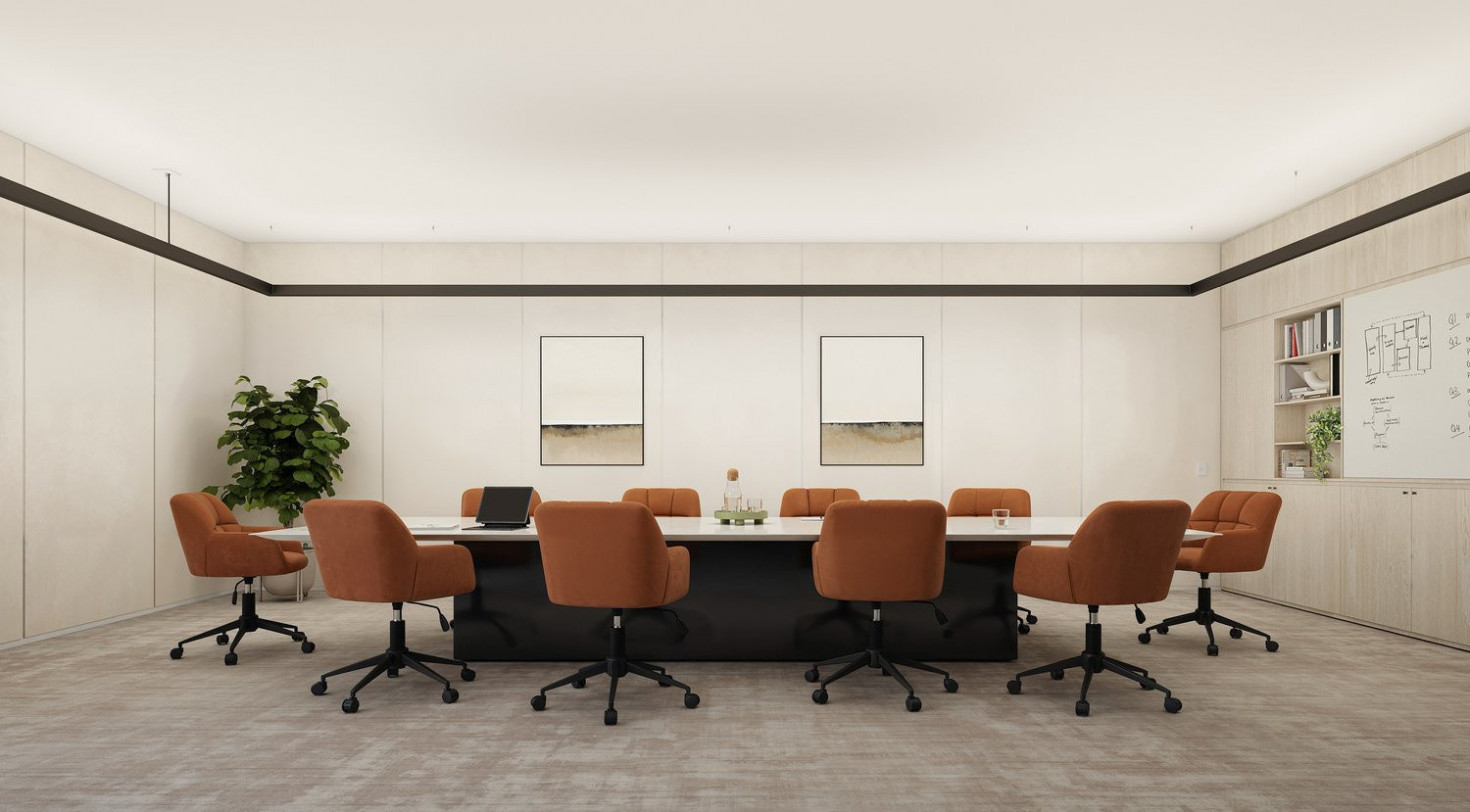
A-Light has introduced the Mira architectural luminaire, designed for indirect functional illumination using ceilings and walls as reflectors. It offers asymmetric light distribution, minimizing hotspots and shadows, and can be configured for various mounting options. The luminaire is available in multiple lengths and features a contemporary design, suitable for various environments. It includes advanced control systems for energy efficiency and occupant comfort, and complies with the Buy America(n) Act.
Industrial Design
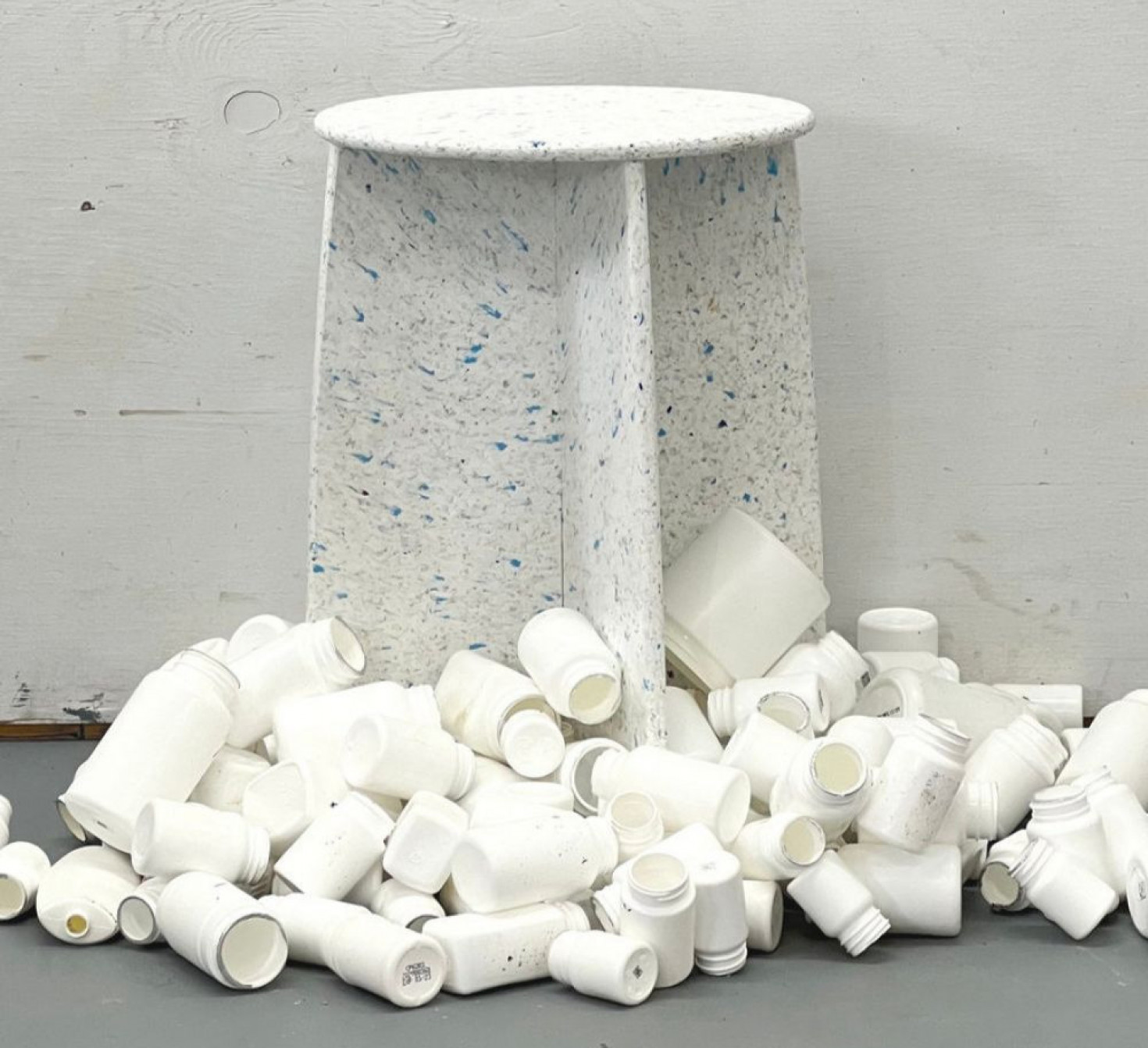
Industrial designers Jared Seifert and Lauren Copping founded Design Declassified to recycle plastic waste into attractive, stone-like sheets for furniture design. Their sheets are made from 100% recycled plastic without added glue or resin, supporting a circular economy. The company can currently produce sheets in various thicknesses and is investing in machinery for larger sizes.
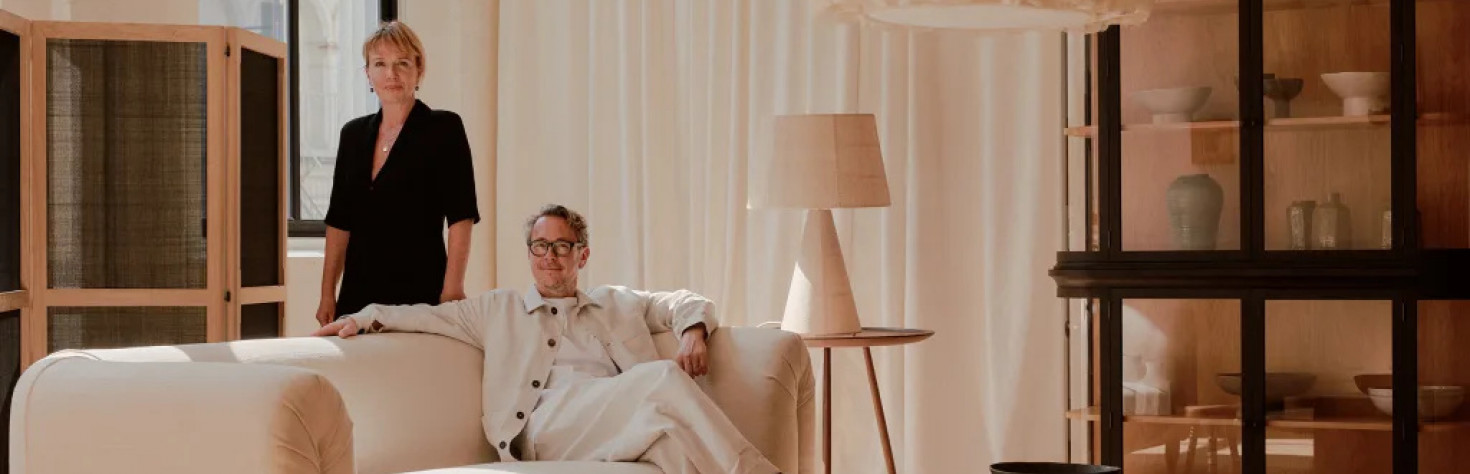
Pinch, a British furniture brand founded in 2004 by Russell Pinch and Oona Bannon, has gained popularity in the U.S. for its blend of modern and traditional design, focusing on quality and sustainability. The brand emphasizes a human-centered approach, creating furniture that resonates with real-life experiences. Despite challenges, Pinch has seen significant growth, particularly in the U.S., by adapting its strategy post-Brexit and during the pandemic, while maintaining a commitment to craftsmanship and customer relationships.
Trends in Commercial Projects from Around the Globe
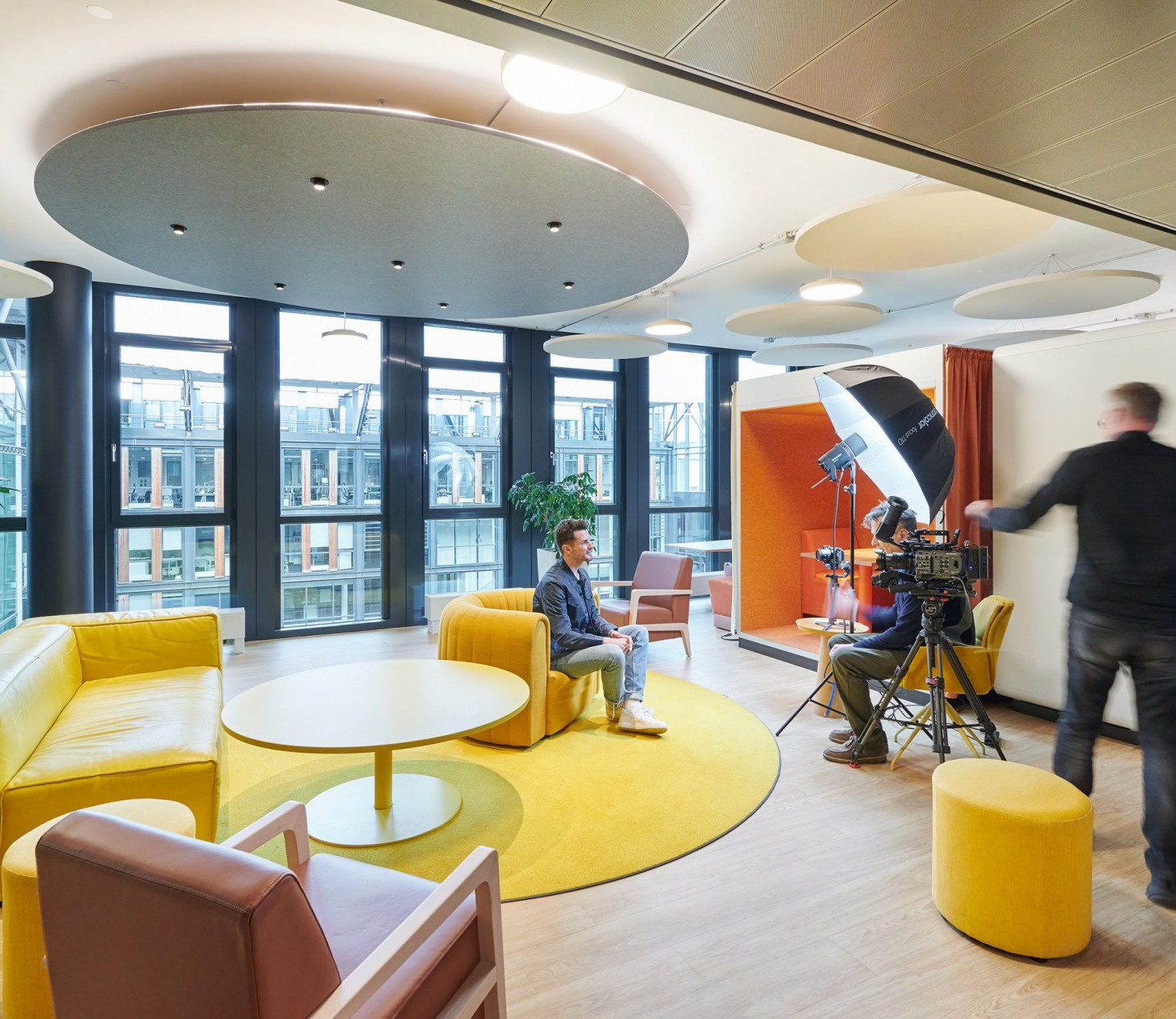
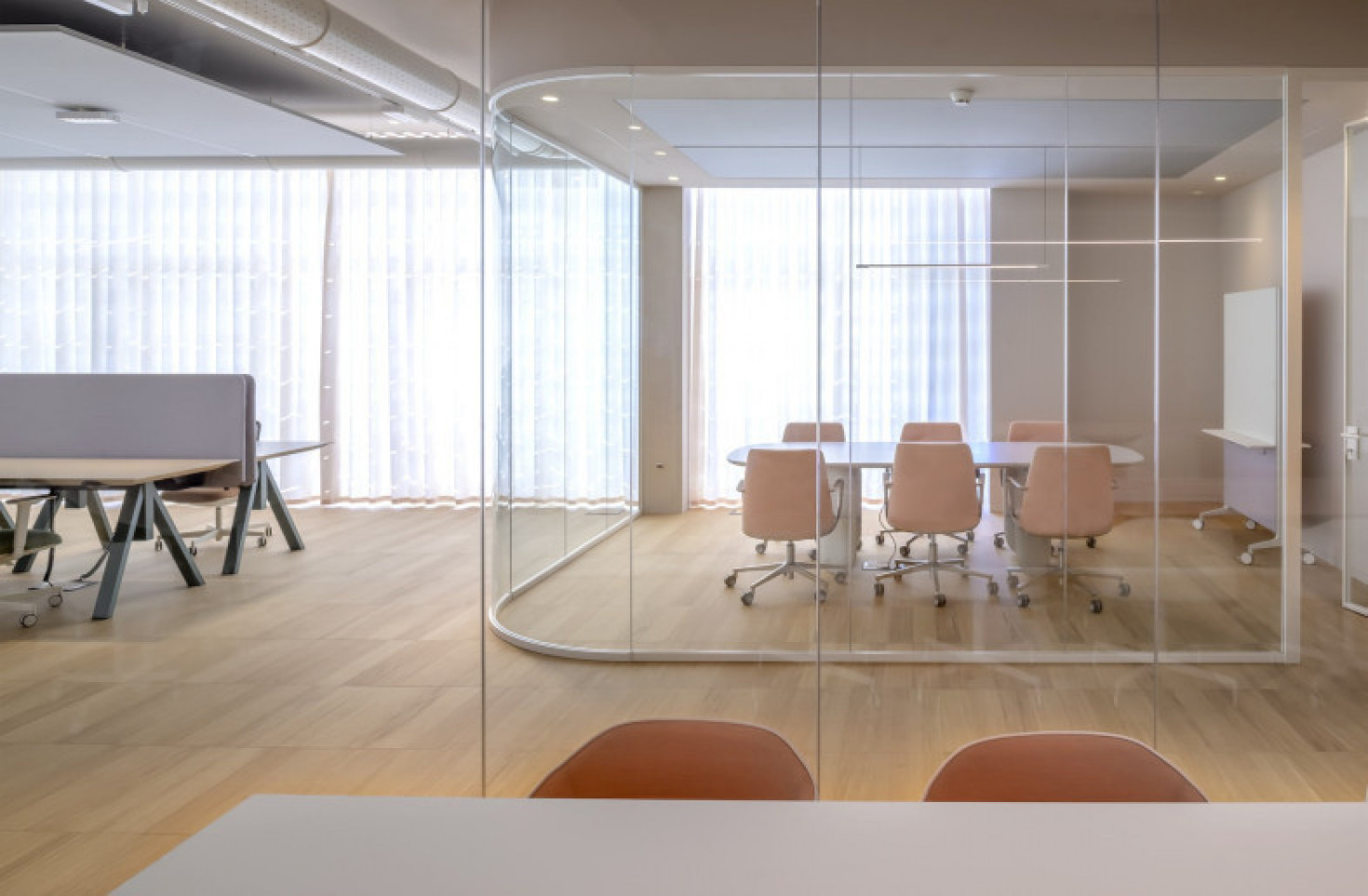
Pedrali's new workspace in Mornico Al Serio, designed by Park Associati, emphasizes employee wellbeing through a flexible and collaborative environment. The 560-sq-m space features various work areas, meeting rooms with sound-absorbing elements, and breakout spaces for relaxation, all furnished with Pedrali's products. The design promotes comfort and adaptability, reflecting the brand's commitment to creating functional and purposeful workspaces.
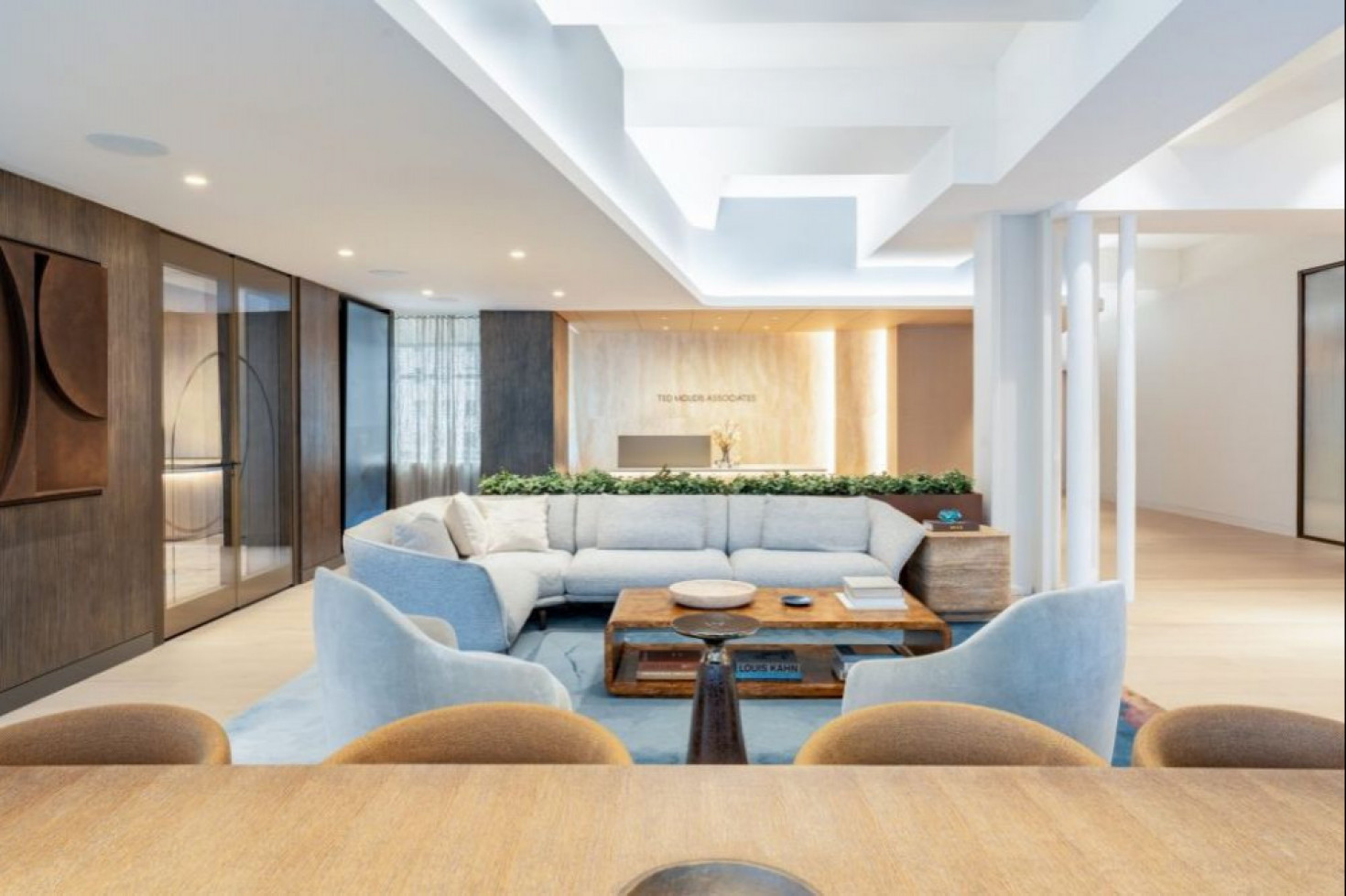
The design of the Chrysler Building office by Ted Moudis Associates emphasizes functionality, sustainability, and employee well-being. Key features include mockups for workspace efficiency, a focus on eco-friendly practices, and biophilic design elements to enhance mental health. The office incorporates various work settings, height-adjustable desks, and wellness areas, while also celebrating the building's historic architecture through thoughtful design choices. Engagement activities involved staff in the design process, ensuring a smooth transition to the new space, which reflects the firm's branding and commitment to creating a welcoming environment.
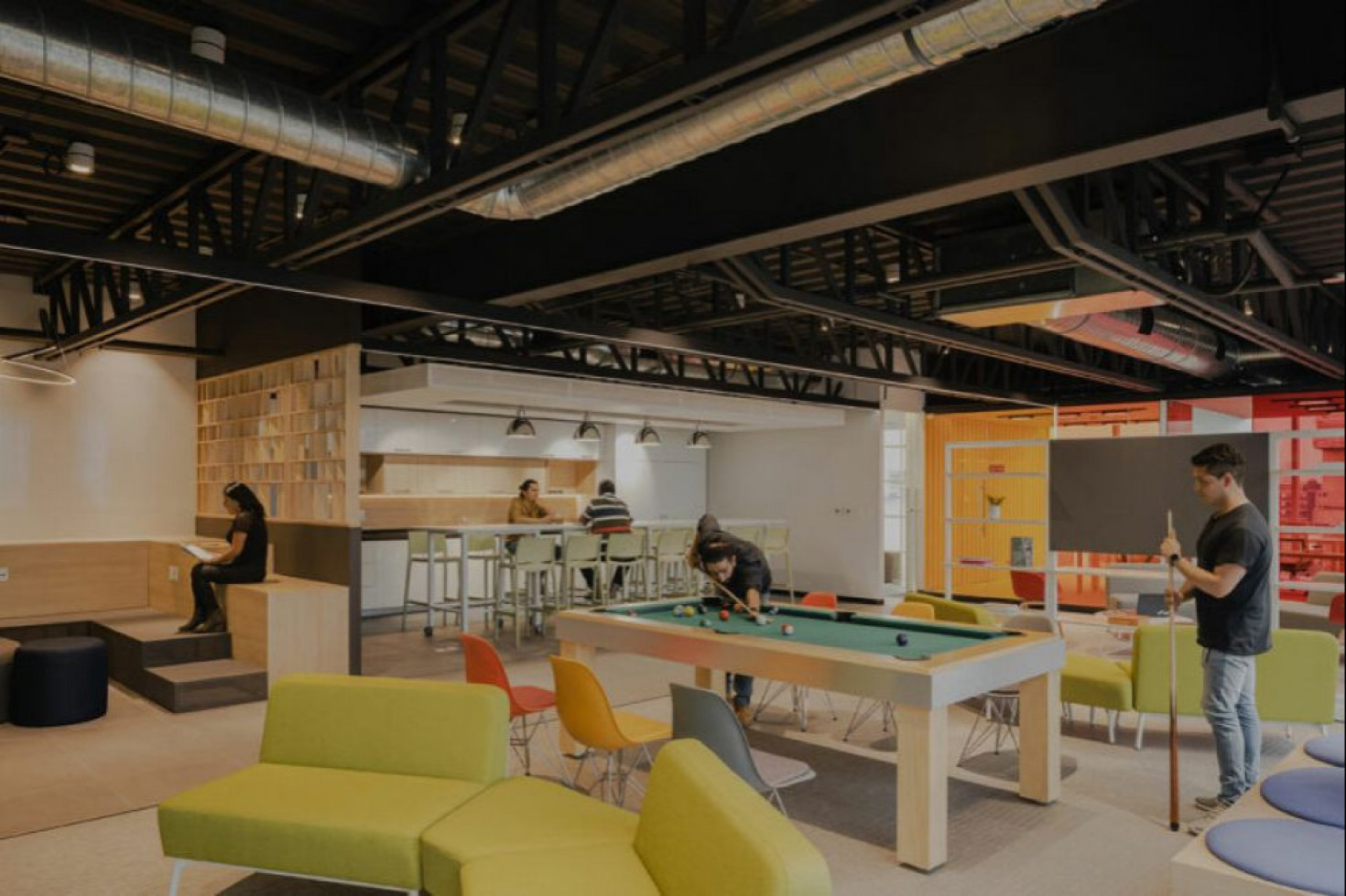
The office designed by Prototype Architecture Studio in Mexico City blends work and recreation, featuring vibrant colors and strategic lighting to create distinct zones. Inspired by urban elements, the design incorporates industrial materials and multifunctional spaces, including a central kitchen that doubles as a meeting area. The layout encourages collaboration and creativity, with areas for relaxation and informal gatherings, reflecting a modern approach to corporate environments.
Latest In Real Life WFH
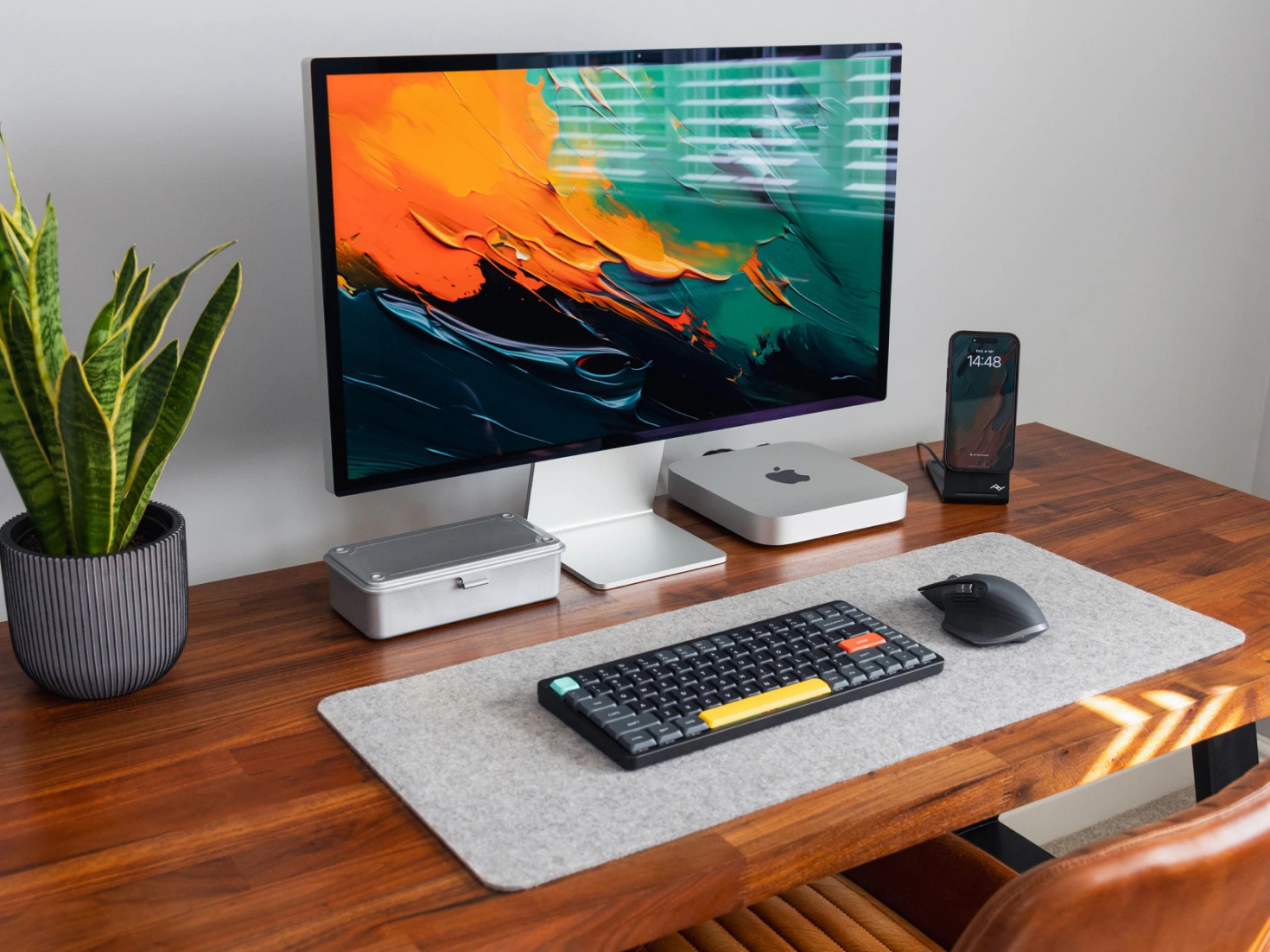
Tom Eversley is a UK-based designer and photographer with a background in print and digital design, who has recently focused more on photography. His workspace includes an Apple Studio Display, M1 Mac Mini, and various peripherals. He finds the Apple Studio Display particularly useful for its design and color accuracy. His typical day involves managing emails, walking his dog, and working solidly in the afternoon, followed by relaxation in the evenings.
Upcoming Industry Events
BDNY 2024: Redefining Hospitality Design With Unmatched Innovation and Networking Opportunities
Boutique Design New York (BDNY) will take place on November 10-11, 2024, at the Javits Center, NYC, featuring innovative design showcases, networking opportunities, and educational sessions. Highlights include immersive spaces by leading designers, a new Dine & Design PopUp, CEU-accredited seminars, the Platinum Circle Awards Gala honoring industry leaders, and the Gold Key Awards recognizing excellence in hospitality design.
Industry Briefing




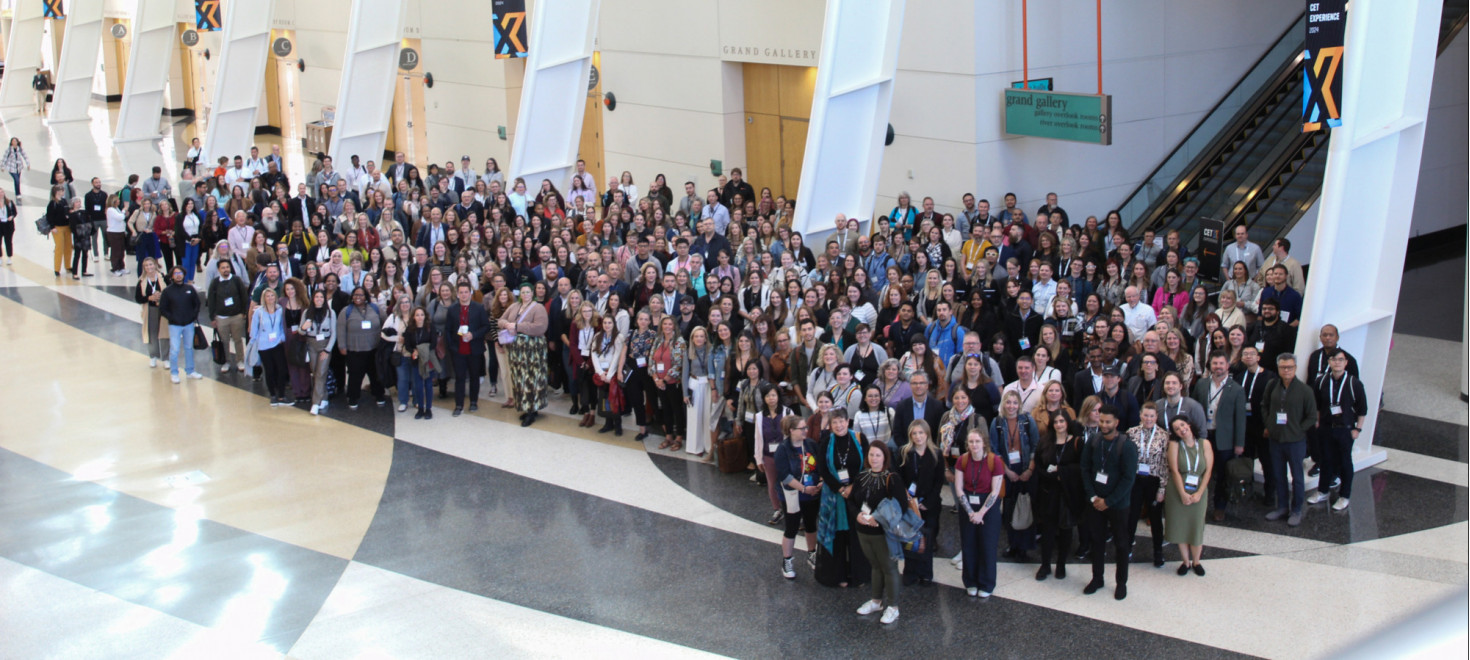
CF Stinson Introduces Haiku at Healthcare Design Conference & Expo
CF Stinson launched the Haiku textile collection at the Healthcare Design Conference + Expo, winning the Nightingale Gold Award in the healthcare fabrics category. The collection features 8 patterns and 66 colorways designed to enhance healing environments, using sustainable materials and innovative designs. Key patterns include Lyric, Skipping Stones, Kyoto, Kigo, Sea of Clouds, Sumi, Painted Moon, and Katsura, all meeting healthcare durability standards and eco-certifications.
IIDA NY Celebrates 2nd Annual Student Uplift Program
The IIDA NY announces its 2nd Annual Student Upliftment Program on November 1, 2024, aimed at supporting student development by connecting them with design professionals through mentorship and events. The event will include networking, a Matching Ceremony for IIDA memberships, and a discussion on industry relationships. The initiative emphasizes equitable opportunities and aims to foster growth within the design community, alongside the presentation of the Catalyst Laptop Award to emerging designers.
IIDA NY – LMNOP Design Connection: Speed Mentorship Roundtable for Junior Designers
The IIDA NY is hosting the LMNOP Design Connection: Speed Mentorship Roundtable for Junior Designers on November 14th, 2024, from 5:30 PM to 7:30 PM at the Patcraft Showroom in New York. This free event offers junior designers the chance to receive practical advice from industry experts, expand their professional network, and learn about current trends and best practices in a dynamic, interactive format.
NEWH, Inc. to Celebrate Official 40th Anniversary at BDNY 2024
NEWH, Inc. will celebrate its 40th anniversary at BDNY 2024 with a series of events and awards, including $75,000 in scholarships for hospitality professionals. Key events include the Platinum Circle and Women Leaders in Hospitality Breakfast, with notable awards such as the ICON of Industry honor for Diana Dobin. The organization emphasizes education, mentorship, and networking within the hospitality community, inviting participants to engage in various sessions and a celebratory toast on November 10.
IIDA NY’s Rochester City Center: Product Runway Recap Party
The IIDA NY is hosting the Product Runway Recap Party on November 1st, from 4:00 PM to 8:00 PM at The Mercantile on Main in Rochester, NY. The event, in collaboration with AIA Rochester and Fashion Week of Rochester, will showcase couture designs created by teams using manufacturers' products. Categories for recognition include Showstopper and Best Craftsmanship. Attendees will enjoy a complimentary drink, light refreshments, and can register via Eventbrite, with tickets available at the door for $50.

Find the best Contract Furniture Industry jobs and hire the best talent.





Become part of a forward-thinking team at a company that's quickly becoming an industry game-changer. Wyatt seeks a Territory Sales Manager to promote and sell our seating products in their assigned territories.
Become part of a forward-thinking team at a company that's quickly becoming an industry game-changer. Wyatt seeks a Regional Sales Manager to promote and sell our seating products in North Carolina, South Carolina, and Georgia.

BioFit Engineered Products is seeking an experienced Sales Manager to oversee and lead the activities of the sales department by performing the duties outlined below. This individual will participate in corporate planning, budget setting, and strategic direction including product & services, markets and channels.

We are seeking a dynamic, high-energy Regional Vice President (RVP) with at least 15 years of experience in the office furniture industry, including 5+ years in a sales leadership role. The ideal candidate is a self-starter with a proven track record of sales growth, strategic thinking, and excellent people management skills.

The Regional Sales Manager will be responsible for the sales and sales growth of The Senator Groups products in the region of the country outlined.

The Product Manager will be responsible for outlining the relevant product features and developing a sales strategy for the desking product sales effort.